
Download
REVIEW ARTICLE
Accentuated bioavailability of bioactive compounds in foods by nanotechnology-based delivery approaches
Suma Sarojini1*, Balamuralikrishnan Balasubramanian2†, Saranya Jayaram3, Preetha Annadurai1, Arun Meyyazhagan1, Manikantan Pappuswamy1, Jang-Won Lee4*
1Department of Life Sciences, Christ University, Bengaluru, Karnataka, India;
2Department of Food Science and Biotechnology, College of Life Science, Sejong University, Seoul, Republic of Korea;
3Department of Biotechnology, Mount Carmel College (Autonomous), Bengaluru, India;
4Department of Integrative Biological Sciences and Industry, College of Life Science, Sejong University, Seoul, Republic of Korea
Abstract
One of the perennial problems faced by the food industry is the poor bioavailability of nutrients, arising generally due to lowered solubility or inadequate absorption by the gastrointestinal tract. Nanotechnology-based encapsulation techniques have shown to significantly enhance the bioavailability of various food bioactive compounds. Targeted delivery of specific nutrients to specific organs, low toxicity, maximization of nutrient uptake, extended release of nutrients, and enhanced texture and flavor are the major advantages of such systems, a few of which are discussed in this review. In keeping with these pertinent paradigms, the current review also highlights how food nanotechnology-based delivery systems ensure efficient bioaccessibility of dietary compounds that otherwise cannot be maximally achieved under in vivo conditions or by using biopolymer-based encapsulation. However, as with any technology, this also comes with its own set of drawbacks and lacunae, which are also presented in the current review. With the surge in global population, emphasis should be placed on optimizing bioavailability of vital food nutrients, catering to Sustainable Development Goals (SDGs) 2 and 3. In a global landscape, a collaborative effort from regulatory bodies, consumers, and manufacturers will enable satisfactory, efficient, and safe commercialization of nanotechnological delivery systems for functional foods and bioactives.
Key words: bioavailability, encapsulation, food nanobiotechnology, nutrients, vitamins, SDGs
*Corresponding Authors: Suma Sarojini, Department of Life Sciences, Christ University, Bengaluru, Karnataka, India. Email: [email protected]; Jang-Won Lee, Department of Integrative Biological Sciences and Industry, College of Life Science, Sejong University, Seoul, Republic of Korea. Email: [email protected]
†Equally contributed as first author
Academic Editor: Ismail Eş, PhD, Institute of Biomedical Engineering, Old Road Campus Research Building, University of Oxford, Headington, Oxford OX3 7DQ, UK
Received: 13 October 2025; Accepted: 21 December 2025; Published: 18 March 2026
DOI: 10.15586/qas.v18iSP1.1607
© 2026 Codon Publications
This is an Open Access article distributed under the terms of the Creative Commons Attribution-NonCommercial-ShareAlike 4.0 International (CC BY-NC-SA 4.0). License (http://creativecommons.org/licenses/by-nc-sa/4.0/)
Introduction
Functional food components, including vitamins, -minerals, antioxidants, and phytochemicals, are essential for optimal human health and well-being. Nutraceuticals are a category of nutritive compounds with pharmaceutical properties that provide -physiological and therapeutic benefits, in addition to nutritive benefits. However, certain challenges must be overcome to maximize the utilization of these compounds in human physiological systems. Some of these include the low stability or rapid degradation of these compounds in the physiological environment of the digestive and gastrointestinal (GI) tracts, poor solubility of the compounds, and decreased biosorption of these compounds in the desired tissues. Nanobiotechnology has helped alleviate these issues by providing tools to enhance the solubility of micronutrients and encapsulate them in nano-carrier/capsule/delivery systems to ensure their stability and targeted release (Mcclements, 2020a). Nanocomposites, nanoemulsions, and nanostructures are extensively used to encapsulate micronutrients and other bioactive compounds, such as vitamins and flavonoids, thereby protecting nutrient delivery. A few noteworthy examples of these systems that have been in commercial use for a few years include nanoceuticals (for applications such as vitamin spray-dispersed nanodroplets), nanosized powders (for applications such as nanochelates of nutrients) and liposomal nanovesicles (for supplying nutrients and enzymes). The type of biopolymers or matrices used for encapsulation of food components plays a vital role in the efficacy of biosorption of these compounds being encapsulated. Variations in the natural food matrices used and the heterogeneous nature of the GI tract, cumulatively influence the bioavailability (BAV), bioaccessibility (BAC) and digestibility of the encapsulated dietary compounds. The interaction between the GI tract and certain types of food matrices leads to delays in both release and plasma clearance of the encapsulated food components (Sun et al., 2020). Hence, the choice of polymer used for the encapsulation of dietary components has a significant bearing on their biosorption.
Nanotechnology (NT) has significantly impacted various fields of science owing to the plethora of beneficial physicochemical properties of nanoscale compounds. They are used in various scientific fields and have myriad applications. Some of these prominent applications can be found in areas such as drug delivery, tissue engineering, diagnostics, cell therapy, bioremediation and food and industrial biotechnology. Nanotechnology is being successfully used for the successful transport of therapeutic genes into targeted cells using Carbon Quantum Dots (CQDs) (Othman et al., 2024) and for the development of eco-friendly fluorescence-based sensors (Othman, 2024). In food biotechnology, nanoscale compounds are utilized as carriers to achieve a stable, controlled and optimal release of micronutrients within the body, aid in the biosorption of micronutrients and enhance the flavor and shelf life of food products. With the global population’s rapid growth, food scarcity has become a persistent threat to humanity. Another complicating problem is the loss of food crops owing to natural disasters and anthropogenic factors. Various farmers opt for chemical fertilizers and growth hormones to exponentially increase crop yields to quickly mitigate these issues and meet global food demands. Hence, the pertinent requirement is to provide sufficient food to cater to the growing population, while ensuring that these food items are nutritious and healthy. Food nanobiotechnology helps circumvent these issues more sustainably and healthily by providing tools that help preserve the nutrients in food while ensuring their maximal BAV and BAC, thereby maximizing available resources. These techniques will also aid in meeting the United Nations Sustainable Development Goals, that is, SDG2: Zero hunger and SDG3: Good health and well-being.
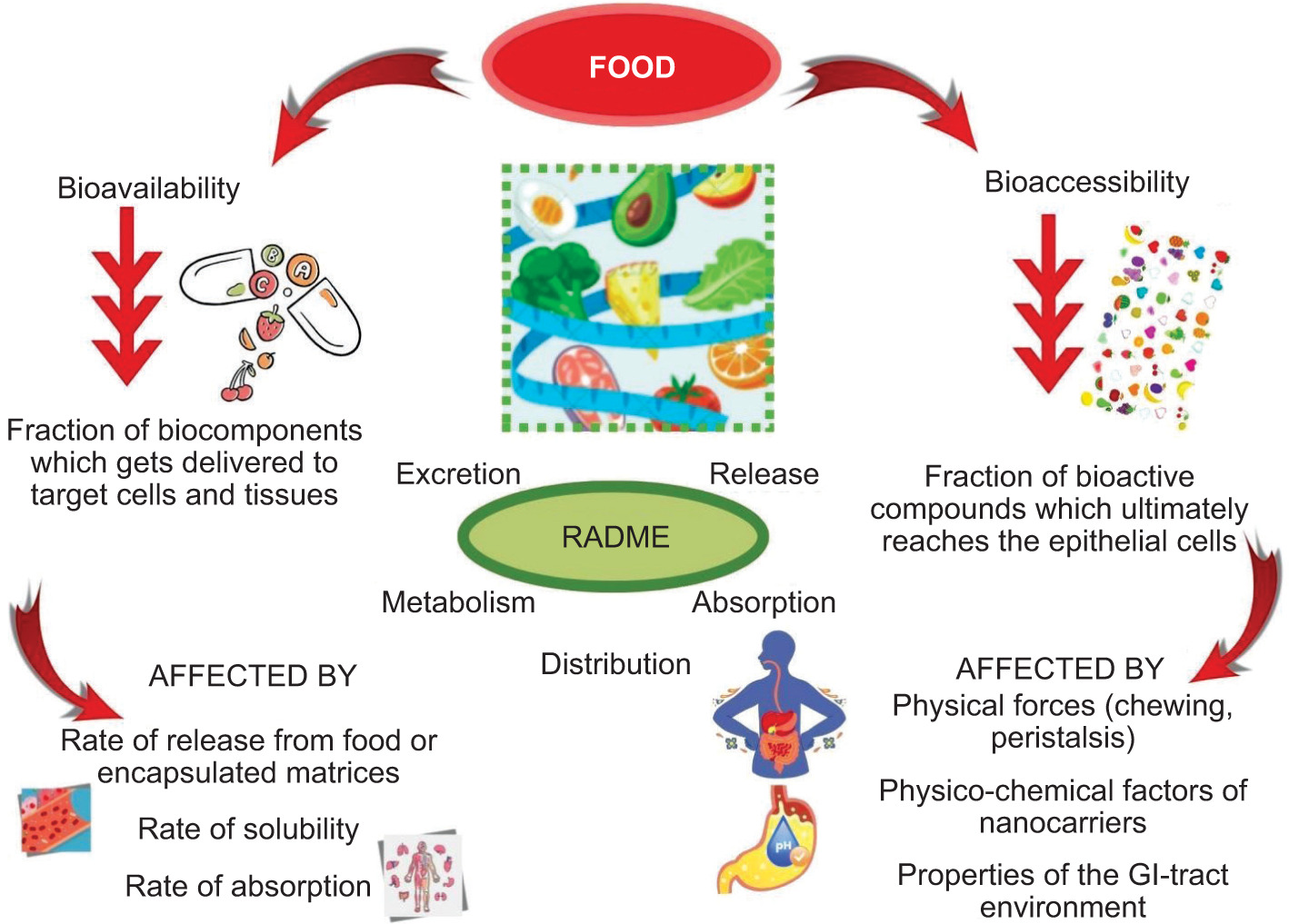
Nanotechnology has been used to improve the characteristics of bioactive compounds, such as those present in spices and herbs, by enhancing their solubility, BAV, BAC, antioxidant properties and homogenous dissolution in the physiological environment (Samah et al., 2017). BAV is defined as the fraction of a biocomponent delivered to target cells and tissues. The BAV of free and encapsulated bioactive compounds in nanocarriers undergoes extensive physiological processes, abbreviated as RADME, that is, release, absorption, distribution, metabolism and excretion. Several factors that affect the rate of RADME have been identified, including the rate of release from either food or encapsulated matrices, as well as the rates of their solubility and absorption in different regions of the GI tract. In contrast, the term BAC represents that fraction of the swallowed bioactive compound that ultimately reaches the surface of epithelial cells. This is also influenced by factors such as physical forces (chewing and peristalsis), the physicochemical properties of the nanocarriers used and the properties of the GI tract environment (viscosity and pH) (Dima et al., 2020). For example, colon-targeted nutraceutical delivery systems have been prepared using synthetic polymers and copolymers to improve the BAV of pH-sensitive nutraceuticals in the upper GI tract (Lee et al., 2020). While NT has numerous advantages in the field of food biotechnology, these tools must be used with caution, keeping in mind the toxicity of nanoparticles (NPs) and ensuring that their toxicity does not impede the advantages. The presence of NPs in the agri-food sector, as approved by the European Food Safety Authority (EFSA), currently lists only 55 types of NPs approved for use in food items (https://www.efsa.europa.eu/en/supporting/pub/en-621, 2020).
The current review explores the different types of bioactive compounds present in food (including micronutrients, macronutrients, and phytocompounds) and subsequently delves into the reasons for their reduced BAV. Following this, the review highlights the different delivery systems used in food NT and their mechanisms, which objectively aim towards enhancing the BAV of bioactive compounds, including nutrients. In conclusion, the review summarizes the advantages and limitations of NT-based delivery systems used to encapsulate bioactive compounds in food, which also help achieve the SDGs 2 and 3. Nanocarriers used for encapsulation of bioactives facilitate the achievement of enhanced nutritional BAV and additionally help achieve overall well-being for its consumers. Additionally, to ensure sustainability, nutraceuticals and certain bioactives, such as various phenols and photoactive compounds, are extracted from agricultural waste like grape skin, mango peels, and so on. These bioactives are enriched with nutritive, antioxidant, anti-inflammatory, cardiovascular-protective, and other beneficial properties (Chedea et al., 2021). Hence, the utilization of a diverse range of agrowaste to extract nutritive and beneficial bioactive compounds not only ensures overall health and well-being but also helps achieve sustainable agriculture and minimize agrowaste (Liu et al., 2023). The blend between NT and food biotechnology is thus a facilitator to achieve the targeted and efficient delivery of bioactives, alongside ensuring that these technologies adhere to the practices of sustainable agriculture. Cumulatively, nanotechnological delivery systems carrying bioactive cargo aim to eventually achieve SDGs 2 and 3, through enhanced nutrition, reduced hunger, overall well-being and sustainable agriculture.
Bioactive Compounds in Food
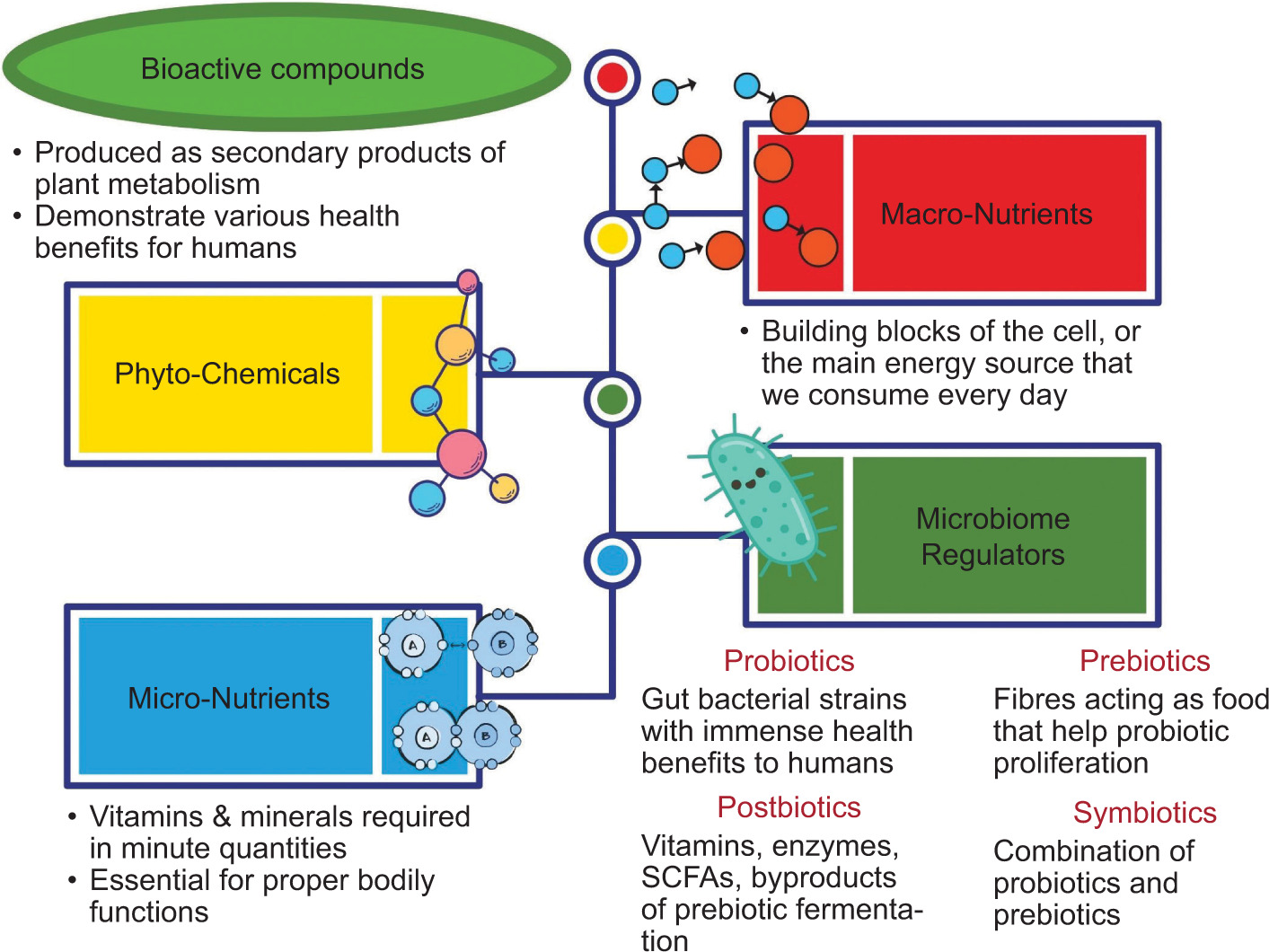
Currently, there is a noticeable increase in diseases linked to poor lifestyle and malnourished foods consumed daily. Bioactive compounds are functional foods that have health benefits. Naturally occurring bioactive compounds are diminished or sometimes absent from currently available food items, possibly contributing to new diseases (Sorrenti et al., 2023). These compounds are primarily found in plant sources (vegetables, whole grains, legumes, nuts, and fruits), animal sources (dairy products, fish), and other sources like microorganisms (probiotics), which are Generally Recognized as Safe (GRAS) by the Food & Drug Administration (FDA) (Banwo et al., 2021; Mondal et al., 2021). Bioactive compounds, also known as nutraceuticals or antioxidants, are categorized into four classes: phytonutrients, macronutrients, gut microbiome regulators and micronutrients. These four main classes (Kussmann et al., 2023) are further divided into subclasses, as illustrated in Figure 1.
Figure 1. Bioactive compounds in food: Categorization and biological benefits.
As illustrated above in Figure 1, the different categories of bioactive compounds found in food encompass the following:
(A) Phytonutrients comprise a heterogeneous group of compounds including organosulfur compounds, alkaloids, terpenes and phenolics. Phytochemicals are naturally occurring compounds found in plants that offer various health benefits to humans. These include anti-inflammatory, neuroprotective, and antioxidant properties, as well as the prevention of other diseases. Most of these phytonutrients comprise compounds that are products of secondary metabolic pathways in plants (Leichtweis et al., 2021).
(B) Macronutrients include proteins, carbohydrates and lipids. Macronutrients, the building blocks of cells or the primary energy source that we consume daily, are a major contributor to dry matter.
(C) Gut microbiome regulators include prebiotics, postbiotics, probiotics and symbiotics. Microbiome regulators are bacterial strains that reside in the GI tract and have health benefits. Beneficial bacteria available in food products increase the beneficial gut flora and are known as probiotics. Prebiotics help in the proliferation of probiotics and are non-digestible compounds that include phenolics and fibers. Symbiotics are optimized organisms and combinations of probiotics and prebiotics. Postbiotics are the byproducts of fermentation by probiotic microorganisms. These include vitamins, short-chain fatty acids and enzymes. Additionally, these microorganisms help improve immunity and reduce conditions, such as inflammatory bowel disease and irritable bowel syndrome (REzagholizade-Shirvan et al., 2024).
(D) Micronutrients include essential nutrients required for the proper functioning of the human body and consist of small amounts of minerals and vitamins. Though micronutrients are usually consumed in smaller quantities (µg or mg), they play a vital role in maintaining the optimum function of the human body. Although considered non-essential components, they are associated with numerous benefits (Kussmann et al., 2023).
Phytonutrients
Phytonutrients are plant-derived bioactive compounds (polyphenols, pigments, carotenoids, alkaloids and fatty acids) known for their positive effects on human health. Essential fatty acids (EFAs) are unsaturated fatty acids derived from plant oils. They readily undergo oxidation to release free radicals known as hydroperoxides. Research supports the notion that fatty acids, such as omega-6 and omega-3, play a vital role in brain function, reducing inflammatory conditions such as arthritis, maintaining cell membrane integrity, decreasing blood pressure, promoting skin health and improving cardiovascular health (Jampilek and Kralova, 2020). They are found in oil sources such as flaxseed, canola and soybean. Polyphenols are a heterogeneous group of compounds that contain phenol rings in their structure. They are found in coffee, wine, vegetables, rhizomes, tea, cereals and fruits. Additionally, these compounds protect cells from oxidative stress by neutralizing free radicals and preventing cancer development. Bioactive compounds in pigments not only impart color to food, but also provide antimicrobial, antioxidant and anti-inflammatory effects. The use of chemically derived pigments can be altered by naturally available pigments owing to their beneficial effects. This has increased the food industry’s production of these compounds due to rising customer demand. Various pigments, including anthocyanins, betalains, curcumin and chlorophyll, are available in plants, though their composition may vary among different plant species (Lu et al., 2021).
Micronutrients
Micronutrients are typically present in minimal quantities and include vitamins and minerals. Vitamins play crucial roles in maintaining optimal functions of the human body, cell repair, immune function and energy production. These compounds are classified as water-insoluble (A, D, E and K) and water-soluble (B and C) vitamins, which influence the type of food into which they can be incorporated. Among these, vitamin D is the most crucial compound obtained from sunlight, which reduces the risk associated with immune diseases and osteoporosis and promotes bone health and calcium absorption (Jampilek and Kralova, 2020). Currently, antioxidants are used as additives in the food industry because of their ability to delay or inhibit reactive oxygen species (ROS) (Banwo et al., 2021). Citrus fruits are high in vitamin C, an excellent source of antioxidants that promote immune function and boost white blood cell production. Additionally, these compounds undergo chemical degradation due to their susceptibility to changes in environmental conditions, such as heat, water activity, pro-oxidants and light (Mcclements, 2020b). Moreover, there are limitations, such as low accessibility and BAV, owing to poor absorption in the GI tract and chemical transformation. Vitamin E, found in seeds and nuts, helps prevent cancer, and oxidative damage reduces the risk of cardiovascular disease (Zabot et al., 2022). Minerals, such as magnesium, zinc, calcium, selenium and potassium, are inorganic trace elements essential for various biochemical reactions. They are available in various forms and have different bioavailabilities, water solubilities and chemical reactivities (Melse-Boonstra, 2020).
Macronutrients
Macronutrients are a major group of nutrients consisting of proteins, lipids and carbohydrates. They include excellent nutrients such as omega-3 fatty acids, which are abundant in fish and a few plants and are associated with health benefits, including improved brain function, anti-inflammatory properties and reduced risk of cardiovascular disease (Mcclements, 2020b). Additionally, bioactive peptides have various biological functions, such as external and internal communication. Bioactive peptides exist in different forms, of which the free-form peptides are available to animals, microorganisms, plants and humans.
Peptides are mainly associated with their parent proteins and are released only when required, through proteolytic or enzymatic processes. Peptides are naturally derived from foods and plants, are safe to consume, and have health benefits. Cardiovascular, digestive, nervous system, endocrine and immune related conditions can be enhanced using chemically synthesized peptides (nonnatural and natural). These properties of bioactive peptides are of interest to the scientific community in the research and development of novel products for human well-being. Bioactive peptides belong to the category of macronutrients, and their unique characteristics make them a promising target for further exploration using computational methods (Zabot et al., 2022).
Reasons for Reduced Bioavailability of Compounds
Various factors affect the BAV of compounds, which is crucial for achieving health benefits. These factors include the structure of bioactive molecules, metabolism, food–drug interactions, and transport mechanisms. Details about the BAV and BAC of the food items are presented in Figure 2.
Figure 2. Bioactive compounds in food: Factors affecting their bioavailability and bioaccessibility.
Effect of biomolecule structure on absorption
The absorption rates can determine the BAV of a compound (Bao et al., 2019). Molecules with high molecular weights, such as complex lipids, cannot cross intestinal cells unless they are fragmented. The sugar moiety (beta-glucoside) attached to flavonoids is absorbed by the small intestine in small amounts after being metabolized by enzymes (e.g., lactase-phlorizin hydrolase and beta-glucosidases). Additionally, the isomeric configuration of the compound also affects the absorption rates, as few drugs with flavonoids differ in their stereochemistry, which alters their bioefficacy and BAV (Chen et al., 2021). A recent study highlighted the BAV of the cis and trans isomers of lycopene in tomatoes. Although tomatoes contain trans isomers of lycopene, serum contains only cis isomers. Only half of the cis isomers of lycopene were found to be available in the plasma due to isomerization and conversion in the digestive system, which are easily crystallized and precipitated; only the cis forms are better absorbed (Honda et al., 2021; Wu et al., 2023).
Metabolism and food–drug interaction
Once consumed, food or drug molecules are subjected to enzymatic breakdown, which modifies the xenobiotic structure of the compound through redox reactions. Compounds such as drugs and polyphenols, which are not considered substrates, are subjected to additional digestion using enzymes to obtain digested molecules. This involves three phases: gastric, oral and intestinal. Specific enzymes can be activated or inhibited, depending on the drug or bioactive molecule used. Polyphenols are associated with health benefits, such as having antibacterial, antioxidant and antitumor properties. Microencapsulation of phenolic compounds in grape pomace extract through spray drying using sodium alginate, gelatin, and gum arabic has been shown to improve their BAC (Martinovic et al., 2025). Recent studies have shown that nanoemulsions made from the extracts of Achillea millefolium and Crocus sativus can act as anti--aflatoxigenic and antimicrobial agents (Abu Safe et al., 2023). A phospholipid-based emulsification strategy has been proven effective to deliver hydrophobic nutrients, such as phytosterols or fatty acids, to many cell types (Rohrl et al., 2020).
Transport mechanisms
Different mechanisms exist for transporting drugs or bioactive compounds present in the intestinal lumen (Bao et al., 2019). The various modes of transport include active, passive and facilitated diffusion. The diffusion process works toward a concentration gradient from intestinal cells to the blood circulation. In contrast, active transport operates against the concentration gradient, which increases the concentration of compounds in the circulation or facilitates the transport of molecules back to the lumen. Passive diffusion transport requires optimal physicochemical properties that are not met by certain drugs and bioactive compounds. Thus, transmembrane transporters are used to enhance their permeability. Permeability through membrane transporters involves both efflux and influx processes. The sodium-glucose-linked transporter (SGLT 1) family, vitamin transporters, and glucose transporter (GLUT 2) family are organic anion transporters (OAT1) that enhance transport across the intestine and facilitate compound uptake (Kumkum et al., 2024). Efflux transporters, including P-glycoproteins, the ATP-binding cassette family and cancer resistance proteins, can inhibit the BAV of bioactive compounds and drugs. These transporters can handle drugs and bioactive compounds through various mechanisms, such as eliminating compounds by secretion into the urine and bile or causing poor absorption and tissue targeting. Intestinal transportation exhibits unique selectivity toward bioactive compounds, where transporters may be blocked by specific nutrients, thereby affecting the BAV of other compounds (Drozdzik et al., 2020).
Food Nanotechnology—Delivery Systems and Mechanisms
Micronutrients and bioactive compounds present in food items undergo an extensive physiological journey after ingestion until they reach the desired cells and tissues for subsequent absorption. Various factors affect the stability, solubility, dissolution, and biosorption of this complex component in the GI tract. Additionally, they are vulnerable to the GI tract environment, which comprises enzymes and various pH ranges. All these parameters collectively influence the biochemical arrangement of the molecules in these bioactive compounds, thereby affecting their nutritional and physicochemical attributes. Common chemical changes that these compounds undergo include isomerization, hydrolysis, oxidation and reduction. NT-based delivery systems used in food biotechnology aim to improve the stability, targeted delivery, and absorption of bioactive compounds. These systems are prepared from food-grade macro ingredients and synthetic compounds to ensure the least toxicity. For instance, nanoemulsions comprise food-grade lipid cores encapsulated in a protein shell, and colloidal delivery systems comprise specifically designed NPs that are used to ensure the delivery of functional compounds to targeted cells and tissues (Mcclements, 2020a). After digestion, the bioactive compounds in food items can exist in various forms, including hydrophobic, ionic and polar components. When loaded into NP-based delivery systems, these components remain intact even after digestion. These components (either from food matrices or encapsulated within NP-based carriers) have different routes of biosorption by the cells: (a) hydrophobic components can easily traverse through the phospholipid bilayer of cell membranes either through active or passive transport, (b) components that cannot be transported through active or passive transport and are generally absorbed by receptor-mediated endocytosis, and (c) hydrophilic components generally penetrate the intestinal epithelial layer through narrow gaps between cells by a process called paracellular transport (Dima et al., 2020).
Since time immemorial, nature has facilitated the biosorption of bioactive compounds in food items through the formation of casein micelles in milk, which stabilizes milk fats (Griffin et al., 2017). With the advent of NT, various tools have penetrated the field of food biotechnology to achieve the optimal BAV of bioactive compounds. Examples of a few pertinent delivery systems using NT (that have been in use) include nanosheets, nanofibers, nanowhiskers, fullerenes and nanotubes, which are disseminated using carriers such as liposomes, cubosomes, microemulsions, nanosensors, solid lipid NPs (SLNs), micelles, reverse micelles, liposomes, emulsion droplets, microemulsions, hydrogels, polyelectrolyte complexes, and biopolymer NPs. Nanocarriers used for the encapsulation of bioactives are generally synthesized from natural compounds like lipids, polysaccharides, and proteins, based on the intended applications. For instance, nanocarriers synthesized from proteins are best suited for the encapsulation of both hydrophilic and hydrophobic substances, owing to their amphiphilic properties (Rui et al. 2025). However, nanocarriers synthesized from only one type of biological compound are sensitive to the harsh physiological environment of the GI tract, which is characterized by the presence of various digestive enzymes. Thus, combinatorial synthesis of nanocarriers using biological compounds with polysaccharides successfully addresses this problem and enhances the stability of these nanocarriers in the GI tract (Yan et al. 2025). Hydrophobic bioactives such as certain vitamins and essential oils are best delivered through the use of lipid-based nanocarriers, which help stabilize these compounds and ensure their successful release. Hydrophilic nutrients can be delivered through lipid-based nanocarriers that are subjected to the microdilution method to increase the encapsulation efficiency (Abedi et al. 2024).
Once the nanocarriers enter the physiological environment, they interact with a variety of biomolecules. Subsequently, a multilayer and dynamic coating gets formed around these nanocarriers, which is referred to as the protein corona (Abedi et al. 2024). Based on the exchange rate and binding affinity of the proteins involved in this coating, two types of protein coronas are formed, that is, soft and hard protein coronas (García-Álvarez and Vallet-Regí 2021). The outer layer is called as the soft corona, which comprises reversibly adsorbed proteins having low binding affinities and the inner layer is called as the hard corona, which comprises irreversibly adsorbed proteins having high binding affinities (Moradi et al. 2022). This dynamic interaction between proteins in both layers ensures the replacement of weakly adsorbed proteins with irreversibly adsorbed proteins through the Vroman effect (Zhang et al. 2024). Hence, the overall concentration of proteins adsorbed onto the protein corona layer remains roughly constant, although its composition keeps changing. However, the complexity of protein corona layers cannot be singularly explained by the Vroman effect, due to which, there exist other models postulating the formation of protein coronas through slightly different mechanisms. For instance, another model proposes that these protein layers are highly organized and resemble multiple core-shell structures having highly ordered “Christmas tree-like” structures, rather than just single-layered structures (Docter et al. 2015). In conclusion, protein corona layer formation is a result of the interaction between nanocarriers and the physiological environment. These are multilayered protein structures that are also highly dynamic and driven by protein–NP and protein–protein interactions. Protein corona layers significantly alter the nanocarriers by regulating their physicochemical properties, such as aggregation state and surface chemistry (Wu et al. 2023) and biological properties such as cellular uptake and toxicity (Cui et al. 2022). These properties of the nanocarriers are further influenced by the physiological environment of the GI tract, which has a diverse range of pH in different regions. On the downside, protein corona layers may impede the rate of release of bioactives encapsulated in nanocarriers. While they may protect the nanocarriers from the harsh enzymes and pH of the GI tract, they may either impede the release of encapsulated bioactives or render the nanocarriers resistant to enzymatic digestion and release (Rezaei et al. 2019). Thus, in order to achieve a successful and stable encapsulation of bioactives using nanocarriers, further research needs to be directed towards combinatorial synthesis of nanocarriers from different biological compounds as well as specific chemical modifications of these nanocarriers (by altering their functional groups or surface charges). This will also help tackle the issues faced by nanocarriers caused by protein corona layers.
Milk proteins have begun to be referred to as exotic bioencapsulation particles, owing to their remarkable functional and structural properties (Sadiq et al. 2021). These proteins are recognized as GRAS (Rehan et al. 2019) and allow controlled and targeted release of encapsulated bioactives, alongside exhibiting high encapsulation efficiency and high binding affinity towards the bioactives (Santiago and Castro, 2016). Casein micelles exhibit pH-dependent conductance. Reduction of pH below their pI values (4.6–4.8) leads to the aggregation and shrinkage in size of casein micelles. On the contrary, elevation of pH above their pI values (4.6–4.8) leads to the repulsion and expansion in size of casein micelles (Ye and Harte, 2013). This is a highly beneficial property of casein micelles that allows a pH-regulated controlled release of bioactives in targeted regions of the digestive system that have their own unique pH environment. Being amphiphilic molecules, casein micelles act as nanocarriers for both hydrophobic (like certain vitamins) and hydrophilic (like polysaccharides) bioactives. On the downside, this physiological interaction between NPs and biological molecules requires extensive research and understanding due to the unique physicochemical nature of NPs that alter their properties. Additionally, their concentrations also play a crucial role in exerting varying biological properties, which in turn affect their physiological interactions with biomolecules.
A few of the prominent NP-based delivery systems and their modes of action for delivering important bioactive compounds are discussed below.
(a) Vitamin A
Nanoencapsulation of vitamin A boosts its BAV compared to free vitamin A. This is mainly achieved by enhancing the paracellular transport of the encapsulated vitamin A (Arshad et al., 2021). Additionally, the oral BAV of vitamin A was enhanced by the use of lipophilic composites, which ensured that the vitamins were protected from the actions of intracellular enzymes. This can be expressed by the following equation:
F = FB × FA × FM
where, F = oral BAV of encapsulated vitamin A
FB = percentage of consumed vitamin A remaining protected in the upper GI tract, which was later discharged from the nanocarrier system.
FA, percentage of bioavailable vitamin A entering the portal blood circulation
FM is the percentage of absorbed vitamin A that remains in its active form after first-pass metabolic reactions in the liver and GI tract.
(b) Vitamin B12
A three-layer (protein, phospholipid, and tocopherol) assembly of protein–lipid composite NPs with an inner hydrophilic component was employed as the delivery system for the transport of bioactive compounds like -vitamin B12. In vivo findings have demonstrated decreased -vitamin B12 insufficiency using NP-encapsulated vitamin B12 in rat models (Liu et al., 2019). However, there is still a need to develop more realistic approaches using NT to deliver vitamin B12.
(c) Iron
SLNs are commonly used for the preparation of NP-based iron particles, which have demonstrated increased BAV. Studies have reported the production of alginate NPs loaded with ferrous ions as an NP-based delivery system for iron supplementation (Katuwavila et al., 2016). However, there is a paucity of in vivo studies and clinical trials confirming their efficacy.
(d) Folic acid
Studies have reported a significant increase in the BAV of folic acid using zein NP-based encapsulation, which is corroborated by the capacity of these particles to establish mucoadhesive associations with the intestinal epithelia and augment the biosorption of folic acid (Penalva et al., 2015). Nevertheless, there remains a lack of research data on the clinical trials of different NT-based delivery systems for folic acid.
(e) Polyphenols
Extensive research has demonstrated that polyphenols generally have poor BAV owing to their low stability, solubility, and absorption rate, accompanied by high molecular weight and rate of degradability (D’Archivio et al., 2010). Various encapsulation techniques have been investigated for polyphenols using different nanocarriers, such as lipid-based (nanoemulsions, SLNs), surfactant-based (cubosomes, nanoliposomes, niosomes, and hexosomes), polymeric-based (proteins, polysaccharides, and their complexes), and inclusion complexes (amylose and cyclodextrins) (Esfanjani et al., 2018). These delivery systems help increase the stability and solubility of encapsulated polyphenols in the GI tract, ensuring their controlled release and enhanced RADME (Rafiee et al., 2019).
(f) Carotenoids
Carotenoids are generally solubilized by emulsification into small droplets and included in mixed micelles containing phospholipids, cholesterol, mono- and diglycerides, and bile salts (Dima et al., 2020). However, low BAV prompted the development of novel encapsulation techniques using NT-based delivery systems (Maqsoudlou et al., 2020). A few commonly used nanodelivery systems include SLNs, nanostructured lipid carriers, nanoemulsions (Meng et al., 2019), polymeric NPs (Jain et al., 2018), and nanoliposomes.
(g) Vitamins and Minerals
These bioactive compounds are sensitive molecules that require protection against aggressive factors such as oxidants, temperature, and light. A combination of nanocarriers and nanoemulsion-based delivery systems has been used to enhance the BAV of vitamins and minerals. Generally, these nanoemulsions comprise different oil phases, such as corn oil, mineral oil, and oil-phase emulsion mixtures (Tan et al., 2019). These delivery systems have been reported to improve the digestion kinetics of encapsulated vitamins and minerals and ensure their controlled release into epithelial cells after digestion. Nanoemulsions comprise a mixture of two immiscible liquids (generally oil and water) dispersed into one, accompanied by an emulsifier. They generally display higher kinetic stability than conventional emulsions (Bai et al., 2021). SLNs are comprised of lipids (such as glyceride mixtures, triglycerides, and waxes) that are completely crystallized at room temperature. They exhibit controlled release of encapsulated bioactive compounds, high encapsulation efficiency, and good stability (Rostamabadi et al., 2019).
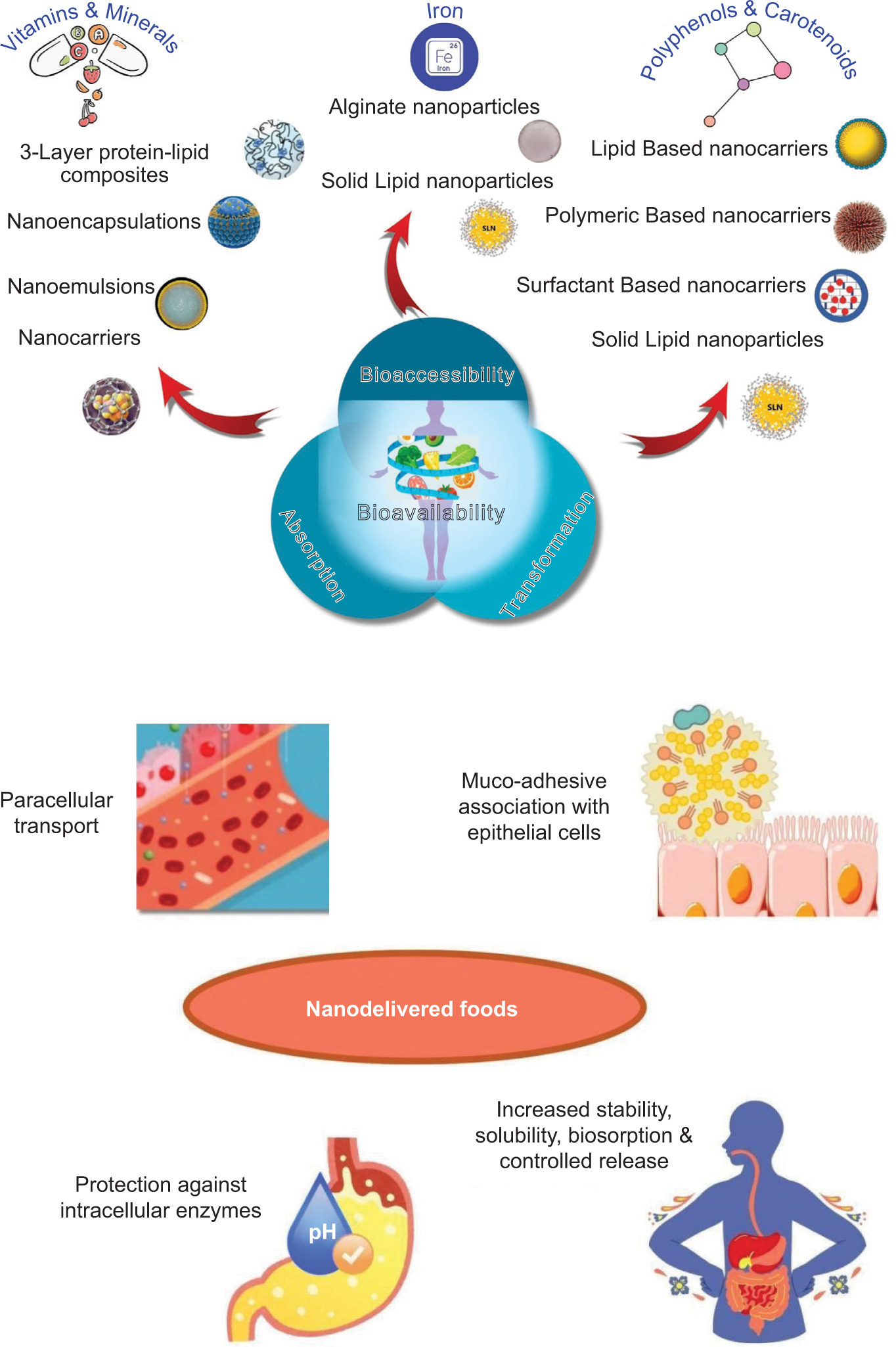
Encapsulation of food bioactives has been one of the successfully implemented tools for bio-fortification. Conventional encapsulation techniques using raw materials such as chitosan, gum arabic, and γ-polyglutamic acid have demonstrated significant efficiency in enhancing the BAv and BAC of the encapsulated bioactives. However, integration of encapsulation techniques with those of NT has helped further strengthen the efficacy of these tools and enhance the robustness of bio-fortified food items. Research has shown that nanoencapsulation of curcumin was able to increase its stability and antioxidant property (Tan et al. 2016), and Resveratrol nanoencapsulation was able to enhance its cellular uptake and solubility (Jeon et al. 2016). Furthermore, chitosan NPs have been widely used for nanoencapsulation of bioactives, and studies have reported increased antibacterial properties of essential oils encapsulated using chitosan NPs (Sotelo-Boyás et al. 2017). Food nanoencapsulation studies using biopolymeric NPs have also demonstrated the reduction in oxidation of nanoencapsulated fatty acids, which has aided in enhancing their shelf-life (Liang et al. 2017). A brief overview of the food nanodelivery systems is given in Figure 3A and their physiological features in Figure 3B. Currently, many solid-lipid NPs and liposomes are being used for delivering bioactive compounds. Encapsulation of these compounds has improved bioactivity and BAV in functional food products (Mondal et al., 2021). Table 1 describes some of the popular nanodelivery systems used for bioactive compounds in food.
Figure 3. (A) Types of nanodelivery systems for food substances; (B) Features of nano-delivered foods in the -physiological environment.
Table 1. Nanodelivery systems for better bioavailability of nutrients in food.
| Categories | Bioactive compound | Sources | Nanodelivery system | Reference |
|---|---|---|---|---|
| Pigments | Anthocyanin | Black carrot | Nanoencapsulation (chitosan polymer) | Chatterjee et al., 2021 |
| Purple rice bran | Microencapsulation (rice starch) | Das et al., 2018 | ||
| Lycopene | Tomato | Microencapsulation | Janiszewska-Turak, 2017 | |
| Betalains | Beetroot | Nanoencapsulation (liposomes, nanogels, and nanoemulsions) | Rezagholizade-Shirvan et al., 2024 | |
| Curcumin | Turmeric | Liposome-mediated nanodelivery | Monfalouti and Kartah, 2024 | |
| Fatty acids | Omega-3 | Fish and microalgae | Nanoemulsions, liposomes, and microcapsules | Du et al., 2022 |
| Long-chain PUFA | Fish oil | Nanoemulsion | Dey et al., 2018 | |
| Phospholipid | Sunflower | Microencapsulation using nanoemulsions | Chen et al., 2020 | |
| Antioxidants | Polyphenol | Grape pomace | Microencapsulation using sodium alginate, gum arabica, and gelatin | Martinovic et al., 2025 |
| Vit-A derivative (Astaxanthin) | Flaxseed, olive, and corn oil | Nanoemulsion using micelles | Jampilek and Kralova, 2020 | |
| β-Carotene | Plants, fungi, and algae | Solid lipid NPs and nanoemulsions | Jampilek and Kralova, 2020 |
There exists a wide array of biotechnological tools being employed to deliver functional foods to enhance their BAV. While integrative approaches with NT are an emerging facet of these biotechnological approaches, few other pertinent biotechnological techniques include that of 3D printing which encompasses the production of fortified food products designed using personalized nutrition technology catering to the nutritional requirements of each customer (Kewuyemi et al. 2022), and microencapsulation that utilizes food-grade polymers for encapsulating bioactives such as phytosterols and polyphenols (Pattnaik et al. 2021). This area of research has advanced by leaps and bounds. Animal nutrition studies have enabled the production of fortified foods from animal origin. Modifications in the animal diets have enabled the natural enrichment of animal food products (El-Sabrout et al. 2022). Through a comprehensive understanding of animal physiology and its interaction with bioactives, modifications in the animal feed have led to the natural production of fortified food products. Another far-reaching biotechnological advancement in this area of research is the concept of nutrition by design. This approach works on the principle of obtaining functional foods through a strategic and deliberate formulation catering to achieve overall well-being, beyond the basic nutritional requirements (Alongi and Anese, 2021). In this approach, the biological interactions between bioactives and nutrients are scientifically analyzed and highly robust combinations of these compounds are suggested in the diet. This helps achieve a state of overall well-being that not only addresses any nutritional deficiencies but also enhances the quality of life (Ahmad et al. 2021).
In vitro assays evaluating the preclinical toxicity of nanotechnological delivery systems for bioactives, corroborate the beneficial effects of these delivery systems as reported by various studies. One such report highlighted the antioxidant properties of nanosystems being exerted by the encapsulated polyphenols through the in vitro Ferric Reducing Antioxidant Potential (FRAP) assay. Furthermore, the irritation caused to the mucous membranes due to nanocarriers by using an in vitro Chorioallantoic Membrane (CAM) model was also investigated. This indicated the presence of almost no signs of cellular irritations such as blood vessel coagulation, hyperemia, and hemorrhage, even when tested at the highest concentrations of the nanocarriers (Wang et al. 2022). Efficient release and significant anti-inflammatory effects of encapsulated curcumin were observed in another study that evaluated the nanocarriers using Caco-2 cell lines (Salah et al. 2022). Similar positive effects of nanocarriers encapsulated with bioactives, were concomitantly highlighted in animal models using rats, where these nanodelivery systems also depicted reduced colonic mucosal damage along with their anti--inflammatory effects (Mohanbhai et al. 2022). While this is a pertinent area of research in alleviating issues related to BAV of bioactives, nanotechnological delivery of functional foods and nutrients should continue to be subject to thorough experimental evaluations analyzing the stability, efficiency and safety of the nanocarriers embedded with bioactive cargo.
Nutrients with Improved Bioavailability
Nutrient BAV is subdivided into three main stages: absorption, BAC and transformation (Dima et al., 2020). The availability of bioactive compounds is reduced by various factors, including sex, age and the health status of an individual. This condition can be improved by customizing it to meet individual needs. This is helpful for individuals with chronic diseases (hypertension, diabetes, cardiovascular disease and depression), specific age groups (the elderly, infants and adults), particular nutrient requirements (rare conditions and athletes), and undernourished communities (Mcclements, 2020b). Nutrients or bioactive compounds can be transported using whey proteins, pectin, alginate, starch, or gelatin to develop biodegradable films. In addition to encapsulation, bioactive compounds can be incorporated through methods such as liposome entrapment, nanoemulsion, fluidized bed coating, coacervation, interfacial polymerization, spray drying, spray cooling and chilling, molecular inclusion, and freeze-drying (Banwo et al., 2021).
Fatty acids
Fatty acids are essential compounds classified as monounsaturated fatty acids (MUFA) and polyunsaturated fatty acids (PUFA). Among these, polyunsaturated fatty acids are known as good fats containing omega-3 and omega-6 fatty acids. Because omega-3 is an essential fatty acid, it must be consumed through the diet, particularly from fatty acids such as linoleic acid and alpha-linolenic acid (ALA). Natural sources rich in omega-3 fatty acids are abundant in various fish, such as tuna, salmon, sardines, herring, and mackerel. ALA is abundant in flaxseed, chia, canola, soybean and walnut oils. Fatty acids added to products, such as dairy and beverages, are referred to as fortified products, which can be incorporated into the diets of people with specific food restrictions. These nutrients can also be taken in the form of supplements (krill, algal, fish, and cod liver oil) as prescribed by -physicians. Nanocarriers can be utilized for enhanced BAV of fatty acids through lipid nanocapsules, solid lipid NPs, liposomes, nanoemulsions, polymeric micelles, bicelles, and nanostructured lipid carriers (Du et al. 2022; Melse-Boonstra, 2020).
Pigments
Generally, fruits and vegetables are vibrant due to the presence of naturally occurring pigments such as betalains, carotenoids, anthocyanins, chlorophyll and curcumin. The BAV, BAC and structure of these pigments vary widely among plant species. Chlorophyll is essential for the conversion of solar energy into chemical energy, which imparts a green color to cyanobacteria, algae, and plants (kale, spinach, and green beans). They play vital roles in detoxification, supplementing nutrients with numerous other health benefits, and as alternatives to synthetic dyes in the food industry. However, these pigments have limitations, such as sensitivity to acidic environments and exposure to light, contributing to their instability and poor extraction efficiency, limiting their use as colorants in the food industry. Recent advancements, such as nanoencapsulation, have helped overcome these issues, making chlorophyll a suitable compound for industrial use (Jampilek and Kralova, 2020; Lu et al., 2021).
Anthocyanins are members of the flavonoid family and are abundantly found in grapes, red cabbage, and berries, exhibiting blue, red and purple pigments. They possess high antioxidant abilities and prevent cardiovascular diseases and cancer. Studies suggest that Anthocyanins enhance optical ability and cognitive functions (Ma et al., 2021). They can be used as alternatives to synthetic dyes; however, their limitations, such as sensitivity to temperature, light, and pH, contribute to their instability. Research has helped overcome these challenges by introducing techniques such as encapsulation, which improves the BAV and stability of the compound (Pereira et al., 2024). Curcumin is responsible for imparting a yellow color to turmeric and is a primary polyphenol with huge therapeutic applications. These include antioxidant, anticancer, anti-inflammatory and antiaging processes. Additionally, it plays a role in inhibiting transcription and apoptosis and regulating cell signaling pathways. However, owing to challenges such as poor BAV, its clinical use is prohibited. Recent advancements in nanodelivery systems have enhanced the use of liposomes to improve their BAV (Monfalouti and Kartah, 2024).
Betalains are pigments present in beetroot and include betaxanthins (yellow to orange) and betacyanins (red to violet). Betanin from beetroot extract can be used for commercial purposes but possesses challenges such as color limitation and earthy odor, while various colors from dragon fruit can be used in the food industry. Pigments possess antioxidant and anti-inflammatory properties; however, their sensitivity to light, temperature, and heat leads to their degradation. To overcome these, innovations are integrated to provide stability to compounds that can be used as an alternative to synthetic dyes. Delivery systems such as nanoencapsulation (liposomes, nanoemulsions, and nanogels) can be used to improve the BAV of betalain pigments (Rezagholizade-Shirvan et al., 2024). Carotenoids are isoprenoid compounds, including lycopene, zeaxanthin, beta-carotene, and lutein, which are available from various sources, such as algae, bacteria, plants, fungi, vegetables, fish, and fruits. They are natural orange, red, and yellow pigments. Nearly 600 varieties of fat-soluble carotenoids are available because of changes in their structural polyene skeleton. These pigments are prone to degradation when exposed to high temperatures and light. Tomatoes are an excellent source of lycopene, which can reduce cardiovascular diseases and prostate cancer (Jampilek and Kralova, 2020). Green leafy vegetables (e.g., kale and spinach) contain zeaxanthin. Lutein plays a significant role in lowering the risks associated with age--related macular diseases (AMD) and optical care. They also provide antioxidant activity, strengthen immunity, and prevent cancer (Zabot et al., 2022). Carotenoid BAV is improved by using the nanoencapsulation (spray drying) method because of its high scalability and cost--efficiency in the food industry (Janiszewska-Turak, 2017). Additionally, this method of encapsulation helps retain hydration and makes it instantly available in food products for consumption.
Antioxidants
The oxidative damage caused by proteins, lipids, and nucleic acids is delayed or inhibited by antioxidants. They are mainly present in natural sources such as fruits and vegetables and exhibit antioxidant properties. Compounds with strong antioxidant abilities include polyphenols, carotenoids and lutein. Owing to increasing demand, the food industry has increased the production of natural food products over synthetically derived products. Nanoencapsulation techniques (liposomes, hydrogels, and hybrid nanocarriers) are used to deliver sensitive bioactive compounds such as antioxidants, vitamins and probiotics (Monfalouti and Kartah, 2024).
There are many different types of biodegradable NPs, metal oxide NPs and composites with potential for food packaging, a few of which are listed in Table 2.
Table 2. Nanopackaging technologies: Nanoparticles used for food packaging.
| Nanoparticles | Features | Reference |
|---|---|---|
| Nanosilica with hops β-acid (0.3%) embedded on chitosan film | Provides enhanced antioxidant, UV protection, and antibacterial activity to packaged foods. | (Tian et al., 2021) |
| Biodegradable chitosan with varying concentrations of embedded nanometal zinc oxide (NPZnO), titanium dioxide (NPTiO2), and colloidal silver (NPAg) | Chitosan combined with ZnONP exhibited greater antibacterial properties, while TiO2NP and AgNP displayed high antioxidant activity. Additionally, AgNP showed improved food packaging elasticity. | (Dordevic et al., 2024) |
| Paper-based cornstarch coated with bionanocomposites of green silver nanoparticles (G-AgNPs) | G-AgNPs extended the shelf life of packaged foods with antibacterial activity. This leads to a reduction in wastage of food and promotes sustainability. | (Trotta et al., 2024) |
| Carboxy cellulose nanocrystals (C-CNC) coated with locust bean gum (LBG) | This green method enhanced the shelf life of cherry tomatoes and strawberries by protecting them from the environment | (Li et al., 2021) |
| Double network hydrogel (DN) combined with chitosan (CS), amyloid fiber (AF), and epigallocatechin gallate (EGCG) crosslinked with genipin (GP) | DN extended the shelf life of avocados with antibacterial, antioxidant, and complete UV protection without compromising fruit quality. | (Zheng et al., 2025) |
| Coating materials such as sodium alginate (SA), gelatin (GEL), and gum arabica (GA) are used for spray drying of grape pomace extract | Combining SA and GEL has improved stability and BAV of phenolic compounds. Promoting the sustainability of processed foods. | (Martinovic et al., 2025) |
| Anthocyanin coated with glutinous rice starch | Microencapsulation extended the shelf life, BAV and stability of compounds. | (Das et al., 2018) |
| Starch and clay nanofilms developed with turmeric and garlic extract | Nanofilms with garlic extract exhibited antibacterial activity, mechanical flexibility, and stability, enabling their use in food packaging. | (Baysal and Dogan, 2020) |
| Titanium oxide NPs containing Soy protein nanofilm | Increased mechanical stability and higher UV resistance | Tian et al., 2023 |
| Titanium dioxide NPs containing Pectin | Used as nanocomposites with pectin-based matrix for the packaging of fresh cut vegetables; imparts antimicrobial and UV protection, provides improved transparency, and reduces oxygen permeability by 26% | Singha et al., 2023 |
| Copper oxide NPs containing Chitosan film | Used as nanocomposites in active food packaging for fresh cut fruits and vegetables; provides antimicrobial protection from pathogens and reduces gas permeability by 38% | Duda-Chodak et al., 2023 |
| Aluminum oxide NPs containing Polylactic acid (PLA) | Used as a biodegradable coating for sustainable beverage packaging; helps enhance the moisture resistance and durability in beverage packing | Al Mahmud et al., 2024 |
| CuS NPs containing Agar | Used as a biopolymer nanofiller in active food packaging and displays antibacterial properties against Escherichia coli and Listeria monocytogenes | Roy and Rhim, 2020 |
| Titanium dioxide NPs containing Zein/sodium alginate | Used as nanofiller composites in active food packaging for cheese, nuts, cereals, and meat; displays antibacterial properties against E. coli and S. aureus | Amjadi et al., 2020 |
| Carbon dots NPs containing Bacterial nanocellulose composites | Used in forgery-proof food packaging and UV screening of food products; displays antibacterial properties against E. coli and L. monocytogenes | Kousheh et al., 2020 |
| Silver NPs containing Cellulose | Used as nanofibril composites in active food packaging and displays antibacterial properties against E. coli and L. monocytogenes | Y et al., 2019 |
| Silica dioxide NPs containing Chitosan | Used as nanocomposites in active food packaging and displays antibacterial properties against E. coli, L. monocytogenes, Salmonella typhimurium, and Streptococcusaureus | Bi et al., 2020 |
| Zinc oxide NPs containing Soy protein isolate | Used as nanocomposites in active food packaging and displays antibacterial properties against Aspergillus niger | Wu et al., 2019 |
| Zinc oxide NPs containing Guanidine-based starch or cornstarch | Used as nanocomposites in green and active food packaging, and displays antibacterial properties against E. coli | Ni et al., 2018 |
Advantages and Limitations
NT has taken over various fields of science as an integral part of a plethora of applications, ranging from the food industry, bioremediation and energy conservation to diagnostics, tissue engineering, drug delivery and therapeutics. NT-based food delivery systems enhance the stability, solubility, biosorption, BAV and BAC of encapsulated bioactive compounds (Ndlovu et al., 2020). The NPs used in such delivery systems display a wide range of beneficial physicochemical properties, including high stability, infusibility, strength and surface-area-to-volume ratios. These particles have been utilized in food biotechnology to maximize human well-being by ensuring high food quality and safety standards (Jain, 2020). These delivery systems have gained widespread acceptance owing to various beneficial aspects, one of which is the use of a minimal quantity of excipients to enhance the solubility of bioactive compounds such as micronutrients (Charoo et al., 2019). Nanopowders are among the most commonly employed delivery systems for nutrients. In this study, the nutrients were encapsulated in the form of nanosized powders, which effectively enhanced their rate of absorption in the form of nanochelates. This mode of delivery delivers nutrients to target cells without compromising the color and taste of the food products. Furthermore, owing to their unique size, these nanopowders were absorbed more efficiently than their non--encapsulated counterparts. As most types of nanodelivery systems in food biotechnology are prepared using natural food-grade macro-ingredients, they hardly present any toxic effects.
Liposomes used in nanodelivery of bioactive compounds have consistently shown benefits of being able to enhance the BAV of nutrients in food by increasing their accessibility and absorption (Rezaei et al., 2019). Alternatively, nanoemulsion systems that comprise aqueous and oil interfaces are consistently used to protect bioactive compounds by improving their solubility and BAV, while safeguarding them from degradation (Cefali et al., 2019). However, further research is required to fully elucidate the benefits and drawbacks. Nanoencapsulation systems provide similar functions for protecting bioactive compounds (such as vitamins, nutrients, and antioxidants) by enhancing their stability and functionality. Polymer nanoemulsion systems have also been used to encapsulate phenolic compounds with low solubility and amphiphilicity. Animal experiments have shown enhanced absorption of nano-delivered omega-3 fatty acids, vitamins, curcumin, and so on. Multiple ways of improving the bioavailability and optimization of curcumin and its derivatives using nanodelivery modes have been recently probed (Han et al., 2024). Apart from the well-known factor of increased surface area, another factor that could play a significant role here is the enhanced interaction with the GI tract membrane. Increased plasma levels and prolonged circulation periods, which in turn help better solubility and moderated release, were also attributed to nano-delivered foods in the limited human trials done. Additionally, their in vivo retention durations were significantly prolonged, which is indicative of their enhanced resistance towards degradation. Because these particle sizes are conducive to the biological environment, BAV is improved (Teng et al., 2023).
There are certainly pertinent advantages to NT in food delivery systems, but they are also accompanied by certain disadvantages. Encapsulation of different types of bioactive compounds requires the precise selection of delivery systems that complement the properties of bioactive compounds and their biological functions. NPs may pose a risk of posing a threat to human health through extended exposure to the GI tract. Adverse effects include protein unfolding, thiol crosslinking, and loss of enzymatic activity (Bahadar et al., 2016). Additionally, their increased surface area can lead to the release of toxic ions in some cases. Nanoemulsions display the drawbacks of creaming, flocculation, coalescence, and Ostwald ripening; however, few reports have demonstrated the use of higher concentrations of oils and emulsifiers being added to nanoemulsions to enhance their stability, but these have also resulted in the display of toxic potential in cardiovascular disease and obesity (Huang, 2010). Despite the research being conducted to circumvent this issue of toxicity, there remains a dearth of substantial data to overcome the problem of toxic ion leaching from nanodelivery systems in food biotechnology. Huge gaps remain in our understanding of the toxicity of NPs during their biological applications. Additionally, the prime issue of nanolabeling of food supplements requires extensive research attention (Knijnenburg et al., 2019). Despite achieving global-scale production of NPs, only a limited number of countries have successfully formulated approved guidelines for their application in food delivery systems (Arshad et al., 2021).
The regulation of functional foods and their nanotechnological delivery systems is of paramount importance to achieve maximum nutritional BAV and biological safety. In Europe, the important guidelines and regulations related to functional foods have been established by the EFSA (EFSA, 2008). The EFSA guidelines of 2021 list the updated requirements to be followed for authorizing food enzymes, food products and nutrient sources. This also includes the safety parameters to be assessed while evaluating the interaction between nanotechnological tools and bioactives or food compounds (EFSA Scientific Committee 2021). Similarly, the United States FDA categorizes certain food compounds as GRAS, after scientifically analyzing their biological toxicity levels (VLAICU et al. 2023). The general regulations, principles and safety standards governing food law in the European context are outlined in the European Union General Food Law (Regulation EC No. 178/2002). These guidelines also outline the precautionary principle that is mandated, especially while formulating novel functional foods or bioactives. All such international guidelines and safety regulations are carefully formulated based on scientific research supporting the toxicity of different bioactives or food compounds, tested at different concentrations and combinations.
The prerequisites for a successful integration of NT in the food sector encompass different tools such as precision processing, product development, smart packaging, targeted delivery, food safety and so on. Food NT has paved the way for a plethora of advancements in areas of food quality and safety, biofortification, sensory improvement and extension of the shelf-life of food products (Bratovcic, 2020), in addition to targeted delivery of functional foods and bioactives. There are, however, concerns regarding the toxicity of NPs towards the health of both humans and the environment. Few reports have brought to light the genotoxicity of zinc oxide NPs caused in human epidermal cells (Sharma et al. 2009). Other reports have proved that a few NPs, after crossing the cellular barriers, contribute towards the formation of oxyradicals leading to oxidative stress in cells (Geiser et al. 2005). Thus, toxicological analyses of NP-based food delivery systems are of paramount importance before such tools are commercialized. This can be facilitated by parameters like speciation, body distribution and quantification performed through toxicokinetic and toxicological studies (Bratovcic, 2020). Furthermore, for their successful commercialization, the toxicity results must be within the prescribed acceptable limits as set by international guidelines like those of EFSA and FDA. In order to tackle the ecotoxicological issues associated with NT-based delivery systems in food products, one of the advanced strategies being used is that of Safe(r)-by-Design (SbD) concepts. SbD comprises tools enabling the detection of risk factors and uncertainties related to environmental and human health, stemming from the nascent stages of product development (Schmutz et al., 2020). This hence ensures the successful mitigation of the identified risk factors before the product is implemented. For instance, through SbD analysis, one can conclude that the use of biodegradable or inert coatings (Donkor et al., 2025) in NT-based delivery systems for bioactive compounds is a potential solution to overcome the ecotoxicology of these delivery systems. A few of the popular types of nanocarriers include liposomes, nanoemulsions, SLNs, nanogels, and micelles. While all of these depict high stability and safety, nanogels and micelles display low and moderate levels of scalability, respectively. The BAV is highest for SLNs and moderate for the other types of nanocarriers. A brief overview of the different types of nanocarriers, their encapsulation efficiency, stability, BAV, and toxicity is given below in Table 3.
Table 3. Popular nanocarriers used for the encapsulation of and their physicochemical and biological properties.
| Nanocarrier Type | Particle size (nm) | Surface charge (mV) | Encapsulation Efficiency (%) | Release mechanism | Stability | Scalability | Safety/Toxicity | Bioavailability | Reference |
|---|---|---|---|---|---|---|---|---|---|
| Liposome | 217.5 ± 11.7 543.3 ± 86.0 115.1 ± 3.4 |
−53.1 ± 3.3 −54.0 ± 2.9 −52.9 ± 3.5 |
62.8 | pH driven | Stable | High | Safe | Moderate | (Cheng et al., 2017) |
| Nanoemulsion | 0.455 ± 0.004 0.317 ± 0.005 0.250 ± 0.010 0.269 ± 0.006 |
−49.63 ± 2.96 −49.86 ± 2.14 −36.93 ± 1.14 −35.30 ± 3.06 |
– | Enzymatic digestion | Stable | High | Safe | Moderate | (Teixe et al., 2023) |
| Solid Lipid Nanoparticles (SLNs) | 248.98 ± 4.0 | −32.93 ± 1.2 | 98.3 ± 0.3 | Diffusion | Stable | High | Safe | Very High | (Ding et al., 2024) |
| Micelles | 34.9 ± 2.1 | 0.90 ± 0.35 | 90.2 ± 0.78 | Solubilization | Stable | Moderate | Safe | Moderate | (Zhu et al., 2017) |
| Nanogels | 155.73 | −24.3 | 93.64 | Diffusion | Stable | Low | Safe | Moderate | (Hu et al., 2021) |
Nutraceutical delivery systems must adhere to standard safety guidelines to ensure they are safe for consumers. They must be adequately assessed for possible hazards before being commercialized. NPs, owing to their unique physicochemical properties, behave very differently from conventional molecules used in nutraceutical delivery systems and, if not evaluated comprehensively, could pose unknown threats and toxicities by altering the GI tract environment (Pathakoti et al., 2017). Allergies and toxicities are the two most common threats to NT-based food delivery systems. Bioaccumulation of NPs in tissues and organs is another potent risk of employing NT-based food/nutraceutical delivery systems (Chen and Hu, 2020). This has been attributed to particle size, aggregation, zeta potential and surface groups of NPs (Jain et al., 2015). The age and physiological conditions of the consumers are also contributing factors towards assessing the toxicity of nutraceutical delivery systems. There is a lacuna in evaluating the toxicity of NT-based food/nutraceutical delivery systems among children, the elderly, and those with certain clinical conditions (Chen and Hu, 2020). Nanofoods, in addition to adhering to regulatory and safety guidelines, must also contain informative labels on their packaging to inform consumers about the ingredients and modifications being incorporated. Awareness about the food products that an individual consumes is a fundamental consumer right. Through their labels, food products must provide all the required information regarding the composition, nutritive value and safety. Due to the economic ramifications of such food labeling practices, consumer awareness about food products is not significantly adequate. Additionally, there exist growing ethical concerns regarding nanofoods. Due to their unique physicochemical properties, NPs are at a risk of posing unexpected threats to the consumers, manufacturers and the environment. Especially with the living system, unexpected toxicity is a potential risk of NPs since they have the ability to cross different cellular and tissue barriers. The concerns regarding nanofoods have been categorized into three groups, i.e. category of least concern, category of some concern and category of major concern (Ijabadeniyi, 2021). Nanofoods lacking non-biopersistent NPs upon digestion in the GI tract are grouped under the category of least concern. The category of some concern comprises nanofoods that contain non-biopersistent NPs, which have the ability to be transported through the GI tract. Nanofoods belonging to the category of major concern comprise NPs that are insoluble, indigestible and biopersistent. This nanofood category of major concern puts consumers at a risk of exposure to “hard NPs” whose toxicological properties are not yet fully elucidated (Kulinowski and Lippy, 2011).
The bridge between toxicity analysis and consumer awareness is that of Food Ethics. This is an interdisciplinary field that informs consumers about potential risks of food products, through decent analysis and informative guidance from “farm to fork” (Ijabadeniyi, 2021). However, as is the case for any field of Ethics, Food Ethics is also not a linear branch operating in isolation. It is heavily influenced by a plethora of factors like culture, traditions, moral values, ethnicity, religion and so on. Responsible Ethics is thus of paramount importance in ensuring rightful emanation of information to the consumers, which is founded upon facts, empirical evidence and unbiased and objective analysis. Misinformation and malinformation are among the two topmost ethical breaches in the field of food biotechnology. In a global landscape, a collaborative effort from regulatory bodies, consumers and manufacturers will enable satisfactory, efficient and safe commercialization of nanotechnological delivery systems for functional foods and bioactives. Harmonizing these efforts is essential in ensuring efficient and safe nanotechnological delivery systems while also promoting consumer awareness on how these tools help achieve enhanced BAV of food compounds. Additionally, scientists developing nanofoods must strictly and responsibly adhere to the international guidelines set by regulatory bodies. The governing principle guiding them should be along the lines of “everything that scientists are capable of, shouldn’t be done if it fails ethical standards” (Ijabadeniyi, 2021). Clear and fair practices must be the fundamental governing principles, encouraging an environment of ethical stewardship and rightfully informed stakeholders.
Conclusion and Future Prospects
With advances in NT research, novel delivery systems have been extensively studied to optimize the BAV and BAC of bioactive compounds. Among the recent approaches that hold immense promise is the incorporation of nanodelivery systems encapsulated with bioactive compounds into food matrices (such as breads, juices, and yogurts). This integration can be challenging because it may lead to alterations in the physicochemical properties of both the food matrices and nanodelivery systems. Eventually, this also may affect the BAV of the encapsulated compounds. Several factors must be considered during this process, including food uniformity, state and physical properties, temperature, ionic strength of the nanodelivery systems, mechanical forces, and various biochemical treatments applied during the preparation and processing of food matrices. Furthermore, when these nanodelivery systems traverse the GI tract, they are subjected to various physiological conditions at each stage of the digestive tract, which further influence the stability, solubility, BAV, and biochemical transformations of the encapsulated compounds (Dima et al., 2020). To circumvent the problems caused by variations in the physiological environment that impede the efficiency of nanodelivery systems, curcumin is gaining widespread attention for being utilized as a co-delivery system to augment the efficiency of nanodelivery systems in food biotechnology (Liu et al., 2022). Such co-delivery systems synergistically combine encapsulated bioactive compounds and comprehensively enhance their functionality by increasing the content of bioactive ingredients loaded into the nanodelivery systems. Additionally, they help control the ratio of bioactive ingredients to achieve a personalized content of ingredients to meet different physiological needs.
With the burgeoning global population, coupled with the problems of land scarcity, dwindling natural resources, and polluted environments, it is imperative to optimize the use of all available food items from nature for optimal nutritional availability. Before these technologies are commercialized, research needs to be done to ensure that these tools are non-toxic to consumers and are also environmentally friendly. Assurance of their non-toxicity and biodegradability will put them in good standing for production and consumption. Encouraging the use of agricultural sector waste (bagasse and okara) and microorganisms as the raw materials for developing these NT tools will promote circular-economy and sustainability. Additionally, techniques like encapsulation of bioactives would further help in optimizing the amount of raw-materials used and in enhancing the efficiency of the fortified food products. Encapsulation systems play a vital role in modulating the physicochemical properties of NPs for nutraceutical delivery systems. Various biocompatible and food-grade materials such as collagen, chitosan, gelatin, and cellulose have been tested for their biological toxicity and environmental safety parameters. Scaling up of these tools will further necessitate intensive research and technological interventions. Successful industrialization and commercialization of these technologies will mandate stringent Quality Control (QC) practices aimed at ensuring consumer safety and environmental protection, alongside optimum efficacy and sensitivity. Functionalization of NPs with ligands, biomolecules and chemical groups has garnered research attention, since this helps enhance the solubility, cellular uptake and biological properties of encapsulated bioactives (Dima et al., 2021). Copolymers such as phthalates, cellulose acetate, and hydroxypropyl methylcellulose have been extensively used to enhance the BAV of pH-sensitive GI-tract nutraceutical systems (Lee et al., 2020). Further research and technological interventions are required in this regard to enhance the robustness of these systems and upscale them at an industrial level.
For any technology to succeed in a global landscape like ours, it mandates a collaborative effort from infrastructural, technological, regulatory and logistical bodies, all coherently aiming to blend with consumer satisfaction, safety and health. Nanotechnological delivery systems for functional foods and bioactives also represent this interdisciplinary collaboration, where these harmonized efforts are essential in ensuring efficient and safe nanotechnological delivery systems to achieve enhanced BAV of food compounds, concomitant to satisfying SDGs 2 and 3. These being the cornerstones of such nanotechnological delivery tools, the roadmap ahead will garner large-scale industrialization of these tools, leading to their wider accessibility and economic pricing for consumers.
Acknowledgments
The authors declare that no AI-assisted tools were used in the preparation of this manuscript. All references have been manually verified for accuracy and relevance.
The authors acknowledge the support of their department and their institutes for the support rendered to carry out the review. We would like to thank Editage (www.editage.co.kr) for English language editing.
Data Availability Statement
All the information and data related to this review article have been made available in this manuscript.
Author Contributions
Conceptualization, S.S., J-W.L., and S.J.; methodology, data curation, selected bibliography, formal analysis, S.S., S.J., P.A., B.B., A.M., M.P.; writing-original draft, B.B., and S.J.; validation, writing-review and editing, S.S., B.B., S.J., P.A., J-W.L.; supervision and administration, S.S. All authors have read and agreed to the published version of the manuscript.
Conflicts of Interest
The authors hereby declare that they have no conflict of interest and have no known competing financial interest or personal relationship that could have appeared to influence the work reported in this paper.
Funding
This work was supported by the National Research Foundation of Korea (RS-2025-16072708).
REFERENCES
Abedi, E., Akhavan, H.R., Mohammadi, H., and Banasaz, S., 2024. Structure-based modifications of nano lipid carriers: Comparative review on release properties and anti-microbial activities of bioactive compounds. Food Control 159: 110237. 10.1016/j.foodcont.2023.110237
Abu Safe, F.A., Badr, A.N., Shehata, M.G., and El-Sayyad, G.S., 2023. Antimicrobial and anti-aflatoxigenic activities of nanoemulsions based on Achillea millefolium and Crocus sativus flower extracts as green promising agents for food preservatives. BMC Microbiology 23(1): 289. 10.1186/s12866-023-03033-2
Ahmad, M.H., Safdar, S., Kousar, S., Nadeem, M., and Asghar, Z., 2021. Functional foods and human health: An overview. Functional Foods: Phytochemicals and Health Promoting Potential 3.
Al Mahmud, M.Z., Mobarak, M.H., and Hossain, N., 2024. Emerging trends in biomaterials for sustainable food packaging: A comprehensive review. Heliyon 10(1): e21422. 10.1016/j.heliyon.2024.e24122
Alongi, M., and Anese, M., 2021. Re-thinking functional food development through a holistic approach. Journal of Functional Foods 81: 104466. 10.1016/j.jff.2021.104466
Amjadi, S., Almasi, H., Ghorbani, M., and Ramazani, S., 2020. Preparation and characterization of TiO2NPs and betanin loaded zein/sodium alginate nanofibers. Food Packaging and Shelf Life 24: 100504
Arshad, R., Gulshad, L., Haq, I.U., Farooq, M.A., Al-Farga, A., Siddique, R., et al. 2021. Nanotechnology: A novel tool to enhance the bioavailability of micronutrients. Food Science & Nutrition 9(6): 3354–3361. 10.1002/fsn3.2311
Bahadar, H., Maqbool, F., Niaz, K., and Abdollahi, M., 2016. Toxicity of nanoparticles and an overview of current experimental models. Iranian Biomedical Journal 20(1): 1. 10.7508/ibj.2016.01.001
Bai, L., Huan, S., Rojas, O.J., and McClements, D.J., 2021. Recent innovations in emulsion science and technology for food applications. Journal of Agricultural and Food Chemistry 69(32): 8944–8963. 10.1021/acs.jafc.1c01877
Banwo, K., Olojede, A.O., Adesulu-Dahunsi, A.T., Verma, D.K., Thakur, M., Tripathy, S., et al. 2021. Functional importance of bioactive compounds of foods with potential health benefits: A review on recent trends. Food Bioscience 43: 101320. 10.1016/j.fbio.2021.101320
Bao, C., Jiang, P., Chai, J., Jiang, Y., Li, D., Bao, W., et al. 2019. The delivery of sensitive food bioactive ingredients: Absorption mechanisms, influencing factors, encapsulation techniques and evaluation models. Food Research International 120: 130–140. 10.1016/j.foodres.2019.02.024
Baysal, G., and Doğan, F., 2020. Investigation and preparation of biodegradable starch-based nanofilms for potential use of curcumin and garlic in food packaging applications. Journal of Biomaterials Science Polymer Edition 31(9): 1127–1143. 10.1080/09205063.2020.1743947
Bi, F., Zhang, X., Liu, J., Yong, H., Gao, L., and Liu, J., 2020. Development of antioxidant and antimicrobial packaging films based on chitosan, D-α-tocopheryl polyethylene glycol 1000 succinate and silicon dioxide nanoparticles. Food Packaging and Shelf Life 24: 100503
Bratovcic, A., 2020. Nanomaterials in food processing and packaging, its toxicity and food labeling. Acta Scientific Nutritional Health 4(9): 7–13.
Cefali, L.C., Ataide, J.A., Eberlin, S., da Silva Goncalves, F.C., Fernandes, A.R., Marto, J., et al. 2019. In vitro SPF and photostability assays of emulsion containing nanoparticles with vegetable extracts rich in flavonoids. AAPS PharmSciTech 20: 1–10. 10.1208/s12249-018-1217-7
Charoo, N.A., Rahman, Z., and Khan, M.A., 2019. Nanoparticles for improvement in oral bioavailability. In Grumezescu, A.M., editor. Nanoarchitectonics in biomedicine. Amsterdam, Netherlands: William Andrew Publishing. pp. 371–410.
Chatterjee, N.S., Dara, P.K., Raman, S.P., Vijayan, D.K., Sadasivam, J., Mathew, S., et al. 2021. Nanoencapsulation in low-molecular-weight chitosan improves in vivo antioxidant potential of black carrot anthocyanin. Journal of the Science of Food and Agriculture 101(12): 5264–5271. 10.1002/jsfa.11175
Chedea, V.S., Tomoiagǎ, L.L., Macovei, Ş.O., Mǎgureanu, D.C., Iliescu, M.L., Bocsan, I.C., et al. 2021. Antioxidant/pro--oxidant actions of polyphenols from grapevine and wine by--products-base for complementary therapy in ischemic heart diseases. Frontiers in Cardiovascular Medicine 8: 750508. 10.3389/fcvm.2021.750508
Chen, J., and Hu, L., 2020. Nanoscale delivery system for nutraceuticals: Preparation, application, characterization, safety, and future trends. Food Engineering Reviews 12(1): 14–31. 10.1007/s12393-019-09208-w
Chen, L., Cao, H., Huang, Q., Xiao, J., and Teng, H., 2021. Absorption, metabolism and bioavailability of flavonoids: A review. Critical Reviews in Food Science and Nutrition 62(28): 7730–7742. 10.1080/10408398.2021.1917508
Chen, Y., Ge, H., Zheng, Y., Zhang, H., Li, Y., Su, X., et al. 2020. Phospholipid–protein structured membrane for microencapsulation of DHA oil and evaluation of its in vitro digestibility: Inspired by milk fat globule membrane. Journal of Agricultural and Food Chemistry 68(22): 6190–6201. 10.1021/acs.jafc.0c01250
Cheng, C., Peng, S., Li, Z., Zou, L., Liu, W., and Liu, C., 2017. Improved bioavailability of curcumin in liposomes prepared using a pH-driven, organic solvent-free, easily scalable process. RSC Advances 7(42): 25978–25986. 10.1039/c7ra02861j
Cui, G., Su, W., and Tan, M., 2022. Formation and biological effects of protein corona for food-related nanoparticles. Comprehensive Reviews in Food Science and Food Safety 21(2): 2002–2031. 10.1111/1541-4337.12838
D’Archivio, M., Filesi, C., Varì, R., Scazzocchio, B., and Masella, R., 2010. Bioavailability of polyphenols: Status and controversies. International Journal of Molecular Sciences 11(4): 1321–1342. 10.3390/ijms11041321
Das, A.B., Goud, V., and Das, C., 2018. Microencapsulation of anthocyanin extract from purple rice bran using modified rice starch and its effect on rice dough rheology. International Journal of Biological Macromolecules 124: 573–581. 10.1016/j.ijbiomac.2018.11.247
Dey, T.K., Koley, H., Ghosh, M., Dey, S., and Dhar, P., 2018. Effects of nano-sizing on lipid bioaccessibility and ex vivo bioavailability from EPA-DHA rich oil in water nanoemulsion. Food Chemistry 275: 135–142. 10.1016/j.foodchem.2018.09.084
Dima, C., Assadpour, E., Dima, S., and Jafari, S.M., 2020. Bioavailability of nutraceuticals: Role of the food matrix, processing conditions, the gastrointestinal tract, and nanodelivery systems. Comprehensive Reviews in Food Science and Food Safety 19(3): 954–994. 10.1111/1541-4337.12547
Dima, C., Assadpour, E., Dima, S., and Jafari, S.M., 2021. Nutraceutical nanodelivery; an insight into the bioaccessibility/bioavailability of different bioactive compounds loaded within nanocarriers. Critical Reviews in Food Science and Nutrition 61(18): 3031–3065. 10.1080/10408398.2020.1792409
Ding, L., Luo, X., Xian, Q., Zhu, S., and Wen, W., 2024. Innovative approaches to fucoxanthin delivery: Characterization and bioavailability of solid lipid nanoparticles with eco-friendly ingredients and enteric coating. International Journal of Molecular Sciences 25(23): 12825. 10.1039/C5CS00217F
Docter, D., Westmeier, D., Markiewicz, M., Stolte, S., Knauer, S.K., and Stauber, R.H., 2015. The nanoparticle biomolecule corona: Lessons learned–challenge accepted? Chemical Society Reviews 44(17): 6094–6121. 10.1039/C5CS00217F
Donkor, F., Okafor, M.N., and Enyejo, J.O., 2025. Investigating-nanotechnology-based smart packaging for extending dairy product shelf life and improving food quality assurance. International Journal of Healthcare Sciences 13(2): 17–34. 10.5281/zenodo.17381311
Dordevic, S., Dordevic, D., Tesikova, K., Sedlacek, P., Kalina, M., Vapenka, L., et al. 2024. Nanometals incorporation into active and biodegradable chitosan films. Heliyon 10(7): e28430. 10.1016/j.heliyon.2024.e28430
Drozdzik, M., Czekawy, I., Oswald, S., and Drozdzik, A., 2020. Intestinal drug transporters in pathological states: An overview. Pharmacological Reports 72(5) : 1173–1194. 10.1007/s43440-020-00139-6
Du, Q., Zhou, L., Li, M., Lyu, F., Liu, J., and Ding, Y., 2022. Omega-3 polyunsaturated fatty acid encapsulation system: Physical and oxidative stability, and medical applications. Food Frontiers 3(2): 239–255. 10.1002/fft2.134
Duda-Chodak, A., Tarko, T., and Petka-Poniatowska, K., 2023. Antimicrobial compounds in food packaging. International Journal of Molecular Sciences 24(3): 2457.
EFSA (European Food Safety Authority), 2008. Authors-scientific opinion of the Panel on Dietetic Products, Nutrition and Allergies on a request from the EC on food-based dietary-guidelines. EFSA Journal 8: 1460.
EFSA Scientific Committee, More, S., Bampidis, V., Benford, D., Bragard, C., Halldorsson, T., et al. 2021. Guidance on technical requirements for regulated food and feed product applications to establish the presence of small particles including nanoparticles. EFSA Journal 19(8): e06769. 10.2903/j.efsa.2021.6769
El-Sabrout, K., Aggag, S., and Mishra, B., 2022. Advanced practical strategies to enhance table egg production. Scientifica 2022(1): 1393392. 10.1155/2022/1393392.
Esfanjani, A.F., Assadpour, E., and Jafari, S.M., 2018. Improving the bioavailability of phenolic compounds by loading them within lipid-based nanocarriers. Trends in Food Science & Technology 76: 56–66. 10.1016/j.tifs.2018.04.002
García-Álvarez, R., and Vallet-Regí, M., 2021. Hard and soft protein corona of nanomaterials: Analysis and relevance. Nanomaterials 11(4): 888. 10.3390/nano11040888
Geiser, M., Rothen-Rutishauser, B., Kapp, N., Schürch, S., Kreyling, W., Schulz, H., et al. 2005. Ultrafine particles cross cellular membranes by nonphagocytic mechanisms in lungs and in cultured cells. Environmental Health Perspectives 113(11): 1555–1560. 10.1289/ehp.800.
Griffin, S., Masood, M.I., Nasim, M.J., Sarfraz, M., Ebokaiwe, A.P., Schäfer, K.H., et al. 2017. Natural nanoparticles: A particular matter inspired by nature. Antioxidants 7(1): 3. 10.3390/antiox7010003
Honda, M., Takasu, S., Nakagawa, K., and Tsuda, T., 2021. Differences in bioavailability and tissue accumulation efficiency of (all-E)-and (Z)-carotenoids: A comparative study. Food Chemistry 361: 130119. 10.1016/j.foodchem.2021.130119
Han, Y., Fu, S., Yang, X., Yang, X.-n., Wang, X., Zhao, H., et al. 2024. Recent nanotechnology improvements in curcumin bioavailability and related applications. Food Bioscience 61: 104660. 10.1016/j.fbio.2024.104660
Hu, G., Batool, Z., Cai, Z., Liu, Y., Ma, M., Sheng, L., et al. 2021. Production of self-assembling acylated ovalbumin nanogels as stable delivery vehicles for curcumin. Food Chemistry 355: 129635. 10.1016/j.foodchem.2021.129635
Huang, Q., Yu, H., and Ru, Q., 2010. Bioavailability and-delivery of nutraceuticals using nanotechnology. Journal of Food Science 75(1): R50–R57. 10.1111/j.1750-3841.2009.01457
Ijabadeniyi, O.A., 2021. 11 Nanofood and ethical issues. Handbook of Nanoethics 191. 10.1515/9783110669282-206
Inventory of nanotechnology applications in the agricultural, feed and food sector, 2020. European Food Safety Authority. https://www.efsa.europa.eu/en/supporting/pub/en-621
Jain, A., Sharma, G., Ghoshal, G., Kesharwani, P., Singh, B., Shivhare, U.S., et al. 2018. Lycopene loaded whey protein isolate nanoparticles: An innovative endeavor for enhanced bioavailability of lycopene and anti-cancer activity. International Journal of Pharmaceutics 546(1–2): 97–105. 10.1016/j.ijpharm.2018.04.061
Jain, K.K., 2020. Role of nanobiotechnology in drug delivery. Methods in Molecular Biology 20159: 55–73. 10.1007/978-1-4939-9798-5-2
Jain, K., Kumar Mehra, N., and K Jain, N., 2015. Nanotechnology in drug delivery: Safety and toxicity issues. Current Pharmaceutical Design 21(29): 4252–4261.
Jampilek, J., and Kralova, K., 2020. Potential of nanonutraceuticals in increasing immunity. Nanomaterials 10(11): 2224. 10.3390/nano10112224
Janiszewska-Turak, E., 2017. Carotenoids microencapsulation by spray drying method and supercritical micronization. Food Research International 99: 891–901. 10.1016/j.foodres.2017.02.001
Jeon, Y.O., Lee, J.S., and Lee, H.G., 2016. Improving solubility, stability, and cellular uptake of resveratrol by nanoencapsulation with chitosan and γ-poly (glutamic acid). Colloids and Surfaces B: Biointerfaces 147: 224–233. 10.1016/j.colsurfb.2016.07.062
Katuwavila, N.P., Perera, A.D.L.C., Dahanayake, D., Karunaratne, V., Amaratunga, G.A., and Karunaratne, D.N., 2016. Alginate nanoparticles protect ferrous from oxidation: Potential iron delivery system. International Journal of Pharmaceutics 513(1–2): 404–409. 10.1016/j.ijpharm.2016.09.053
Kewuyemi, Y.O., Kesa, H., and Adebo, O.A., 2022. Trends in functional food development with three-dimensional (3D) food printing technology: Prospects for value-added traditionally processed food products. Critical Reviews in Food Science and Nutrition 62(28): 7866–7904. 10.1080/10408398.2021.1920569
Knijnenburg, J.T., Posavec, L., and Teleki, A., 2019. Nanostructured minerals and vitamins for food fortification and food supplementation. In Rubio, A.L., Sanz, M.M., Rovira, M.J.F., and Gómez Mascaraque, L.G., editors. Nanomaterials for food applications. Amsterdam, Netherlands: Elsevier. pp. 63–98.
Kousheh, S.A., Moradi, M., Tajik, H., and Molaei, R., 2020. Preparation of antimicrobial/ultraviolet protective bacterial nanocellulose film with carbon dots synthesized from lactic acid bacteria. International Journal of Biological Macromolecules. 155: 216–255. 10.1016/j.ijbiomac.2020.03.230
Kulinowski, K., and Lippy, B., 2011. Training Workers on Risks of Nanotechnology. Washington, D.C., U.S. Department of Health and Human Services/National Institutes of Health, National Institute of Environmental Health Sciences.
Kumkum, R., Aston-Mourney, K., McNeill, B.A., Hernández, D., and Rivera, L.R., 2024. Bioavailability of anthocyanins: Whole foods versus extracts. Nutrients 16(10): 1403. 10.3390/nu16101403
Kussmann, M., Cunha, D.H.A., and Berciano, S., 2023. Bioactive compounds for human and planetary health. Frontiers in Nutrition 10: 1193848. 10.3389/fnut.2023.1193848
Lee, S.H., Bajracharya, R., Min, J.Y., Han, J.W., Park, B.J., and Han, H.K., 2020. Strategic approaches for colon targeted drug delivery: An overview of recent advancements. Pharmaceutics 12(1): 68. 10.3390/pharmaceutics12010068
Leichtweis, M.G., Oliveira, M.B.P.P., Ferreira, I.C.F.R., Pereira, C., and Barros, L., 2021. Sustainable recovery of preservative and bioactive compounds from food industry bioresidues. Antioxidants 10(11): 1827. 10.3390/antiox10111827
Li, T., Liu, R., Zhang, C., Meng, F., and Wang, L., 2021. Developing a green film from locust bean gum/carboxycellulose nanocrystal for fruit preservation. Future Foods 4: 100072. 10.1016/j.fufo.2021.100072
Liang, J., Yan, H., Wang, X., Zhou, Y., Gao, X., Puligundla, P., et al. 2017. Encapsulation of epigallocatechin gallate in zein/chitosan nanoparticles for controlled applications in food systems. Food Chemistry 231: 19–24. 10.1016/j.foodchem.2017.02.106
Liu, G., Yang, J., Wang, Y., Liu, X., and Chen, L., 2019. Protein-lipid composite nanoparticles for the oral delivery of vitamin B12: Impact of protein succinylation on nanoparticle physicochemical and biological properties. Food Hydrocolloids 92: 189–197. 10.1016/j.foodhyd.2018.12.020
Liu, K., Chen, Y.Y., Pan, L.H., Li, Q.M., Luo, J.P., and Zha, X.Q., 2022. Co-encapsulation systems for delivery of bioactive ingredients. Food Research International 155: 111073. 10.1016/j.foodres.2022.111073
Liu, Z., de Souza, T.S., Holland, B., Dunshea, F., Barrow, C., and Suleria, H.A., 2023. Valorization of food waste to produce value-added products based on its bioactive compounds. Processes 11(3) : 840. 10.3390/pr11030840.
Lu, W., Shi, Y., Wang, R., Su, D., Tang, M., Liu, Y., et al. 2021. Antioxidant activity and healthy benefits of natural pigments in fruits: A review. International Journal of Molecular Sciences 22(9): 4945. 10.3390/ijms22094945
Ma, Z., Du, B., Li, J., Yang, Y., and Zhu, F., 2021. An insight into anti-inflammatory activities and inflammation-related diseases of anthocyanins: A review of both in vivo and in vitro investigations. International Journal of Molecular Sciences 22(20): 11076. 10.3390/ijms222011076
Maqsoudlou, A., Assadpour, E., Mohebodini, H., and Jafari, S.M., 2020. Improving the efficiency of natural antioxidant compounds via different nanocarriers. Advances in Colloid and Interface Science 278: 102122. 10.1016/j.cis.2020.102122
Martinović, J., Ambrus, R., Planinić, M., Perković, G., Šelo, G., Klarić, A., et al. 2025. Spray-drying microencapsulation of grape pomace extracts with alginate-based coatings and bioaccessibility of phenolic compounds. Gels 11(2): 130. 10.3390/gels11020130
McClements, D.J., 2020a. Recent advances in the production and application of nano-enabled bioactive food ingredients. Current Opinion in Food Science 33: 85–90. 10.1016/j.cofs.2020.02.004
McClements, D.J., 2020b. Nano-enabled personalized nutrition: Developing multicomponent-bioactive colloidal delivery systems. Advances in Colloid and Interface Science 282: 102211. 10.1016/j.cis.2020.102211
Melse-Boonstra, A., 2020. Bioavailability of micronutrients from nutrient-dense whole foods: Zooming in on dairy, vegetables, and fruits. Frontiers in Nutrition 7: 101. 10.3389/fnut.2020.00101
Meng, Q., Long, P., Zhou, J., Ho, C.T., Zou, X., Chen, B., et al. 2019. Improved absorption of β-carotene by encapsulation in an oil-in-water nanoemulsion containing tea polyphenols in the aqueous phase. Food Research International 116: 731–736. 10.1016/j.foodres.2018.09.004
Mohanbhai, S.J., Sardoiwala, M.N., Gupta, S., Shrimali, N., Choudhury, S.R., Sharma, S.S., et al. 2022. Colon targeted chitosan-melatonin nanotherapy for preclinical Inflammatory Bowel Disease. Biomaterials Advances 136: 212796. 10.1016/j.bioadv.2022.212796
Mondal, S., Soumya, N.P.P., Mini, S., and Sivan, S.K., 2021. Bioactive compounds in functional food and their role as therapeutics. Bioactive Compounds in Health and Disease 4(3): 24. 10.31989/bchd.v4i3.786
Monfalouti, H.E., and Kartah, B.E., 2024. Enhancing polyphenol bioavailability through nanotechnology: Current trends and challenges. In IntechOpen eBooks. 10.5772/intechopen.1005764
Moradi, M., Razavi, R., Omer, A.K., Farhangfar, A., and McClements, D.J., 2022. Interactions between nanoparticle-based food additives and other food ingredients: A review of current knowledge. Trends in Food Science & Technology 120: 75–87. 10.1016/j.tifs.2022.01.012
Ndlovu, N., Mayaya, T., Muitire, C., and Munyengwa, N., 2020. Nanotechnology applications in crop production and food systems. International Journal of Plant Breeding 7(1): 624–634.
Ni, S., Zhang, H., Dai, H., and Xiao, H., 2018. Starch-based flexible coating for food packaging paper with exceptional hydrophobicity and antimicrobial activity. Polymers 10(11): 1260.
Othman, H.O., 2024. Fe-doped red fluorescent carbon dots for caffeine analysis in energy drinks using a paper-based sensor. Journal of Fluorescence 2024: 1–13. 10.1007/s10895-024-04062-4
Othman, H.O., Anwer, E.T., Ali, D.S., Hassan, R.O., Mahmood, E.E., Ahmed, R.A., et al. 2024. Recent advances in carbon quantum dots for gene delivery: A comprehensive review. Journal of Cellular Physiology 239(11): e31236. 10.1002/jcp.31236
Pathakoti, K., Manubolu, M., and Hwang, H.M., 2017. Nanostructures: Current uses and future applications in food science. Journal of Food and Drug Analysis 25(2): 245–253. 10.1016/j.jfda.2017.02.004
Pattnaik, M., Pandey, P., Martin, G.J., Mishra, H.N., and Ashokkumar, M., 2021. Innovative technologies for extraction and microencapsulation of bioactives from plant-based food waste and their applications in functional food development. Foods 10(2): 279. 10.3390/foods10020279
Peñalva, R., Esparza, I., González-Navarro, C.J., Quincoces, G., Peñuelas, I., and Irache, J.M., 2015. Zein nanoparticles for oral folic acid delivery. Journal of Drug Delivery Science and Technology 30: 450–457. 10.1016/j.jddst.2015.06.012
Pereira, A.R., Fernandes, V.C., Delerue-Matos, C., De Freitas, V., Mateus, N., and Oliveira, J., 2024. Exploring acylated anthocyanin-based extracts as a natural alternative to synthetic food dyes: Stability and application insights. Food Chemistry 461: 140945. 10.1016/j.foodchem.2024.140945
Rafiee, Z., Nejatian, M., Daeihamed, M., and Jafari, S.M., 2019. Application of different nanocarriers for encapsulation of curcumin. Critical Reviews in Food Science and Nutrition 59(21): 3468–3497. 10.1080/10408398.2018.1495174
Regulation (EC) No 178/2002 of the European Parliament and of the Council of 28 January 2002 Laying Down the General Principles and Requirements of Food Law, Establishing the European Food Safety Authority and Laying Down Procedures in Matters of Food Safety. OJ L 31, 1.2.2002. pp. 1–24. Consolidated Version 26/07/2019. Available online: http://data.europa.eu/eli/reg/2002/178/oj
Rehan, F., Ahemad, N., and Gupta, M., 2019. Casein nanomicelle as an emerging biomaterial—A comprehensive review. Colloids and Surfaces B: Biointerfaces 179: 280–292. 10.1016/j.colsurfb.2019.03.051
Rezaei, A., Fathi, M., and Jafari, S.M., 2019. Nanoencapsulation of hydrophobic and low-soluble food bioactive compounds within different nanocarriers. Food Hydrocolloids 88: 146–162. 10.1016/j.foodhyd.2018.10.003
Rezagholizade-Shirvan, A., Soltani, M., Shokri, S., Radfar, R., Arab, M., and Shamloo, E., 2024. Bioactive compound encapsulation: Characteristics, applications in food systems, and implications for human health. Food Chemistry X 24: 101953. 10.1016/j.fochx.2024.101953
Rostamabadi, H., Falsafi, S.R., and Jafari, S.M., 2019. Nanoencapsulation of carotenoids within lipid-based nanocarriers. Journal of Controlled Release 298: 38–67. 10.1016/j.jconrel.2019.02.005
Roy, S., and Rhim, J.W., 2020. Effect of CuS reinforcement on the mechanical, water vapor barrier, UV-light barrier, and antibacterial properties of alginate-based composite films. International Journal of Biological Macromolecules 164: 37–44.
Rui, X., Fu, K., Wang, H., Pan, T., and Wang, W., 2025. Formation mechanisms of protein coronas on food-related nanoparticles: Their impact on digestive system and bioactive compound delivery. Foods 14(3): 512. 10.3390/foods14030512
Sadiq, U., Gill, H., and Chandrapala, J., 2021. Casein micelles as an emerging delivery system for bioactive food components. Foods 10(8): 1965. 10.3390/foods10081965
Samah, N.A., Mahmood, M.R., and Muhamad, S., 2017. The role of nanotechnology application in antioxidant from herbs and spices for improving health and nutrition: A review. Selangor Science & Technology Review (SeSTeR) 1(1): 13–17. https://sester.journals.unisel.edu.my/ojs/index.php/sester/article/view/19
Santiago, L.G., and Castro, G.R., 2016. Novel technologies for the encapsulation of bioactive food compounds. Current Opinion in Food Science 7: 78–85. 10.1016/j.cofs.2016.01.006
Schmutz, M., Borges, O., Jesus, S., Borchard, G., Perale, G., Zinn, M., et al. 2020. A methodological safe-by-design approach for the development of nanomedicines. Frontiers in Bioengineering and Biotechnology 8: 258. 10.3389/fbioe.2020.00258
Sharma, V., Shukla, R.K., Saxena, N., Parmar, D., Das, M., and Dhawan, A., 2009. DNA damaging potential of zinc oxide nanoparticles in human epidermal cells. Toxicology Letters 185(3): 211–218. 10.1016/j.toxlet.2009.01.008
Singha, S.K., Hoque, S.M., Das, H., and Alim, M.A., 2023. Evaluation of chitosan-Ag/TiO2 nanocomposite for the enhancement of shelf life of chili and banana fruits. Heliyon 9(11): e21752. 10.1016/j.heliyon.2023.e21752
Sorrenti, V., Burò, I., Consoli, V., and Vanella, L., 2023. Recent advances in health benefits of bioactive compounds from food wastes and by-products: Biochemical aspects. International Journal of Molecular Sciences 24(3): 2019. 10.3390/ijms24032019
Sotelo-Boyás, M., Correa-Pacheco, Z., Bautista-Baños, S., and y Gómez, Y.G., 2017. Release study and inhibitory activity of thyme essential oil-loaded chitosan nanoparticles and nanocapsules against foodborne bacteria. International Journal of Biological Macromolecules 103: 409–414. 10.1016/j.ijbiomac.2017.05.063
Sun, X., Acquah, C., Aluko, R.E., and Udenigwe, C.C., 2020. Considering food matrix and gastrointestinal effects in enhancing bioactive peptide absorption and bioavailability. Journal of Functional Foods 64: 103680. 10.1016/j.jff.2019.103680
Tan, C., Xie, J., Zhang, X., Cai, J., and Xia, S., 2016. Polysaccharide-based nanoparticles by chitosan and gum arabic polyelectrolyte complexation as carriers for curcumin. Food Hydrocolloids 57: 236–245. 10.1016/j.foodhyd.2016.01.021
Tan, Y., Liu, J., Zhou, H., Mundo, J.M., and McClements, D.J., 2019. Impact of an indigestible oil phase (mineral oil) on the bioaccessibility of vitamin D3 encapsulated in whey protein-stabilized nanoemulsions. Food Research International 120: 264–274. 10.1016/j.foodres.2019.02.031
Teixé-Roig, J., Oms-Oliu, G., Odriozola-Serrano, I., and Martín-Belloso, O., 2022. Enhancing in vivo retinol bioavailability by incorporating β-carotene from alga Dunaliella salina into nanoemulsions containing natural-based emulsifiers. Food Research International 164: 112359. 10.1016/j.foodres.2022.112359
Teng, H., Zheng, Y., Cao, H., Huang, Q., Xiao, J., and Chen, L., 2023. Enhancement of bioavailability and bioactivity of diet-derived flavonoids by application of nanotechnology: A review. Critical Reviews in Food Science and Nutrition 63(3): 378–393. 10.1080/10408398.2021.1947772
Tian, B., Xu, D., Cheng, J., and Liu, Y., 2021. Chitosan-silica with hops β-acids added films as prospective food-packaging materials: Preparation, characterization, and properties. Carbohydrate Polymers 272: 118457. 10.1016/j.carbpol.2021.118457
Tian, X., Chen, Z., Lu, X., Mu, J., Ma, Q., and Li, X., 2023. Soy Protein/Polyvinyl-Alcohol (PVA)-based packaging films reinforced by nano-TiO2. Polymers (Basel) 15: 1764. 10.3390/polym15071764
Trotta, F., Da Silva, S., Massironi, A., Mirpoor, S.F., Lignou, S., Ghawi, S.K., et al. 2024. Advancing food preservation: Sustainable Green-AGNPS bionanocomposites in Paper-Starch flexible packaging for prolonged shelf life. Polymers 16(7): 941. 10.3390/polym16070941
Vlaicu, P.A., Untea, A.E., Varzaru, I., Saracila, M., and Oancea, A.G., 2023. Designing nutrition for health—Incorporating dietary by-products into poultry feeds to create functional foods with insights into health benefits, risks, bioactive compounds, food component functionality and safety regulations. Foods 12(21): 4001. 10.3390/foods12214001
Wang, C., Li, J., Han, X., Liu, S., Gao, X., Guo, C., et al. 2022. Silk sericin stabilized proanthocyanidins for synergetic alleviation of ulcerative colitis. International Journal of Biological Macromolecules 220: 1021–1030. 10.1016/j.ijbiomac.2022.08.134
Wu, H., Wu, Y., Cui, Z., and Hu, L., 2023. Nutraceutical delivery systems to improve the bioaccessibility and bioavailability of lycopene: A review. Critical Reviews in Food Science and Nutrition 64(18): 6361–6379. 10.1080/10408398.2023.2168249
Wu, J., Sun, Q., Huang, H., Duan, Y., Xiao, G., and Le, T., 2019. Enhanced physico-mechanical, barrier and antifungal properties of soy protein isolate film by incorporating both plant-sourced cinnamaldehyde and facile synthesized zinc oxide nanosheets. Colloids and Surfaces B: Biointerfaces 180: 31–38.
Wu, Q., Niu, M., Zhou, C., Wang, Y., Xu, J., Shi, L., et al. 2023. Formation and detection of biocoronas in the food industry and their fate in the human body. Food Research International 174: 113566. 10.1016/j.foodres.2023.113566
Yan, S., Regenstein, J.M., Qi, B., and Li, Y., 2025. Construction of protein, polysaccharide-and polyphenol-based conjugates as delivery systems. Critical Reviews in Food Science and Nutrition 65(7): 1363–1381. 10.1080/10408398.2023.2293253
Ye, R., and Harte, F., 2013. Casein maps: Effect of ethanol, pH, temperature, and CaCl2 on the particle size of reconstituted casein micelles. Journal of Dairy Science 96(2): 799–805. 10.3168/jds.2012-5838
Yu, Z., Wang, W., Kong, F., Lin, M., and Mustapha, A., 2019. Cellulose nanofibril/silver nanoparticle composite as an active food packaging system and its toxicity to human colon cells. International Journal of Biological Macromolecules 129: 887–894.
Zabot, G.L., Schaefer Rodrigues, F., Polano Ody, L., Vinícius Tres, M., Herrera, E., Palacin, H., et al. 2022. Encapsulation of bioactive compounds for food and agricultural applications. Polymers 14(19): 4194. 10.3390/polym14194194
Zhang, Z., Jiang, H., Miao, W., Lin, Q., Li, X., Sang, S., et al. 2024. Recent advances in the formation and identification of nanoparticle protein coronas and their effects on the digestion and absorption of polyphenols. Trends in Food Science & Technology 146: 104418. 10.1016/j.tifs.2024.104418
Zheng, L., Tian, Z., Ai, B., Yang, Y., Zheng, X., Liu, Y., et al. 2025. Double network hydrogel coating improved avocado freshness preservation: Preparation, testing and mechanism. Food Hydrocolloids 163: 111085. 10.1016/j.foodhyd.2025.111085
Zhu, W.T., Liu, S.Y., Wu, L., Xu, H.L., Wang, J., Ni, G.X., et al. 2017. Delivery of curcumin by directed self-assembled micelles enhances therapeutic treatment of non-small-cell lung cancer. International Journal of Nanomedicine 12: 2621–2634. 10.2147/IJN.S128921